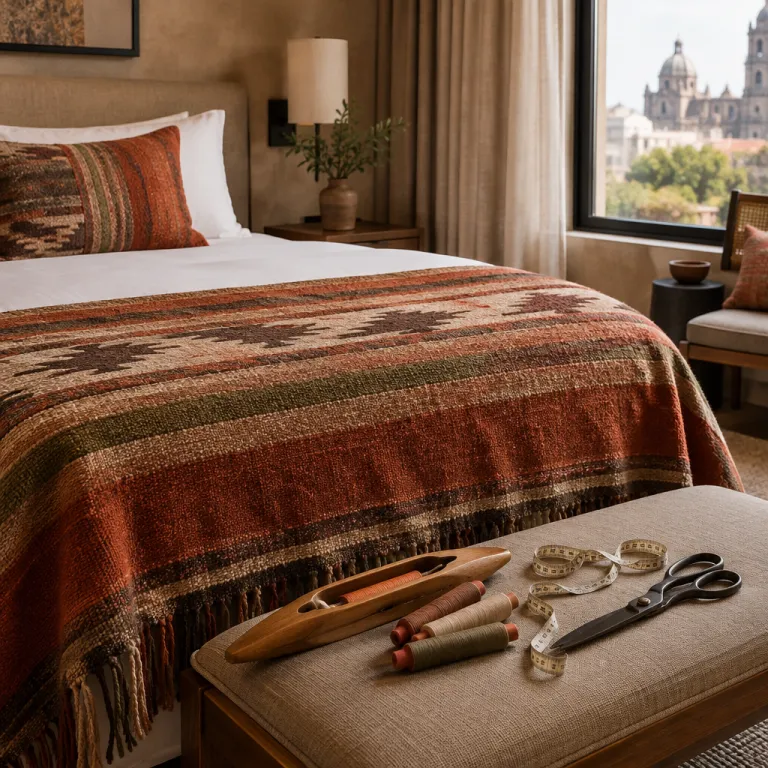
Textiles as storytellers in Mexico City hotels
In Mexico City, many memorable hotel stays begin with textiles that feel unmistakably Mexican. When you step into a lobby lined with handwoven fabrics, the space immediately feels rooted in local history and contemporary design, and those materials quietly set expectations for the rest of your stay. Thoughtful hoteliers now treat every fabric, every textile detail, and every panel of wood as narrative tools, using them to connect guests with the city’s layered past.
Traditional Mexican textiles often come from Indigenous weavers who still use the backstrap loom, and their work appears in headboards, cushions, and wall hangings across the capital. These artisan fabrics carry regional stories in their colors and motifs, from Oaxaca’s geometric diamonds to Chiapas’ floral embroidery, and they help device users who may never leave the city center feel a tangible link to rural communities. When hotels commission these Mexican fabrics directly, they support local economies while giving guests a richer sense of place than any generic décor could offer.
Commercial textiles also play a role, especially where durability and easy cleaning matter for high-traffic areas. Polyester now represents a significant share of Mexican textile output according to national industry summaries, and that presence is visible in hard-wearing upholstery and acrylic fabric blends used in many urban properties. The most considered hotels balance these industrial fabrics with artisanal pieces, pairing smooth synthetics with hand-spun cotton so that every touch tells a different part of the city’s story.
From pre Hispanic looms to modern guest rooms
The story of Mexican fabrics stretches from pre-Hispanic cotton fields to the polished suites of Mexico City’s luxury properties. Long before the capital’s skyline rose, Indigenous communities wove agave and palm fibers on simple looms, and that lineage still appears in rustic textiles that frame contemporary beds or soften concrete walls. When you run a hand across these textiles, you feel centuries of experimentation condensed into a single touch.
Colonial influence introduced wool and silk, and today many hotels mix these historic materials with modern acrylic fabric to achieve both comfort and resilience. Designers often select touch-friendly blends for throws and blankets, then reserve pure natural textiles for accent pieces where guests explore touch and texture rather than rely on heavy use. This careful balance lets users explore the difference between industrial textiles and handwoven fabric while still enjoying the practical comforts expected in a major metropolis.
One explanation from textile historians captures this evolution clearly: "Pre-conquest: use of cotton, agave, palm fibers. Colonial era: introduction of wool, silk, European looms. Modern era: synthetic fibers, commercial fabrics." In Mexico City hotels, that timeline appears in everything from Aztec-inspired motifs on cushions to sleek polyester drapes that block out the urban glow. When you evaluate a room, look closely at these details because they reveal how seriously a property takes its role as a cultural host.
Color, pattern, and the feeling of fiesta in your room
Color is where Mexican textiles speak loudest inside a guest room. Many Mexico City properties lean into saturated tones that echo neighborhood mercados, using fabrics to bring the energy of a street fiesta into otherwise calm interiors. Deep magentas, sunlit yellows, and indigo blues appear in both traditional weavings and contemporary prints, creating a visual rhythm that feels unmistakably local.
Patterns often reference Aztec and other pre-Hispanic geometries, though they are usually reinterpreted for modern tastes. You might see a stylized Aztec step motif woven into a headboard textile, then repeated at a different scale on a rug, allowing users explore the same idea through multiple fabrics. These repeating details help orient guests within the space, guiding the eye from bed to seating area and out toward any terrace or shared yard.
Some hotels commission custom textiles that echo artworks found in nearby galleries, creating a cohesive narrative between room and city. If you plan to tour museums and galleries, an art lover’s guide to Mexico City can help you connect what you see on the walls with the fabrics under your hands in the evening. When colors and motifs align between public art and private rooms, the entire stay feels curated rather than improvised, and every fabric becomes part of a larger cultural itinerary.
How digital habits shape textile choices for device users
As more travelers research Mexican fabrics on phones and tablets, hotel design subtly adapts to digital behavior. Many guests first encounter Mexican textiles through high-resolution images, where they use swipe gestures to zoom in on weave details and colors before ever booking a room. This online preview encourages properties to select textiles with strong visual impact that still feel authentic when guests finally touch them in person.
On booking platforms, device users often rely on small photos and quick impressions, so bold patterns and clear textures perform better than subtle weaves. When users explore galleries, they instinctively use touch swipe motions, and hotels know that a striking cushion or throw can become the focal point that makes someone pause on a listing. In that sense, Mexican textiles now work both as physical comfort and as digital signals that help a property stand out in crowded search results.
Once guests arrive, their touch device remains central to the experience, from mobile check-in to in-room controls. Designers respond by placing textiles where select touch moments naturally occur: a woven runner near the bed where you rest your phone, or a soft fabric panel behind a desk where you plug in a laptop. These small gestures acknowledge that technology and textiles now share the same intimate spaces, and thoughtful hotels choreograph how guests move, swipe, and rest within rooms shaped by both screens and cloth.
Practical tips for choosing a hotel through its fabrics
When comparing hotels in Mexico City, pay attention to how they describe Mexican textiles in room descriptions. Properties that mention working with Indigenous weavers, specifying cotton, wool, or acrylic fabric blends, usually treat textiles as more than decoration, and that respect often extends to service and overall maintenance. Look for references to Mexican fabrics in headboards, cushions, and wall panels rather than only in easily replaced accessories.
Photo galleries can reveal a lot if you slow down and review enter each image with intention. Use arrows review tools to move between photos, then pause where textiles appear prominently, asking whether the fabrics feel integrated with the architecture or simply placed on top. If the same throw or cushion repeats identically across every room type, the design may rely on generic textiles instead of site-specific ideas Mexican to that neighborhood.
Some booking interfaces use autocomplete arrows or filters that let you select amenities related to design or local culture. When you enter select terms like "artisanal" or "handwoven" alongside "Mexico City", you often surface properties that invest in meaningful textiles. Cross-reference those results with independent reviews that mention fabric quality, and you will quickly identify hotels where every touch point, from bedspread to lobby seating, reflects a coherent design philosophy.
From markets to your suitcase : bringing fabrics from Mexico home
Exploring markets during your stay can deepen your appreciation for the Mexican textiles used in your hotel. Places like La Ciudadela or smaller neighborhood tianguis let users explore textiles at their source, comparing handwoven pieces with industrial textiles similar to those found in urban properties. Handling bolts of fabric in person clarifies why certain weaves feel cooler against the skin or drape better across a bed.
Many stalls sell Mexican fabrics by the yard, allowing you to recreate a favorite cushion or runner once you return home. Ask vendors about materials, whether pure cotton, wool, or acrylic fabric blends, and listen for references to specific regions or Indigenous communities. When you later see similar textiles in hotel interiors, you will recognize the lineage and understand how each piece connects city luxury with rural craftsmanship.
If you plan to ship purchases, confirm whether the seller offers reliable shipping to the USA or Europe, or whether you should pack textiles in your luggage. Lighter items like pillow covers and table runners usually travel easily, while heavier blankets may require dedicated shipping from Mexico to your home country. For seasonal inspiration, you can also study how traditional Mexican Christmas decorations influence hotel design, then adapt those ideas Mexican to your own space using textiles that echo the colors and motifs you enjoyed during your stay.
Key statistics about Mexican textiles and hotel design
- Polyester accounts for a substantial portion of Mexican textile output according to national industry reports, which explains the frequent use of durable synthetic blends and acrylic fabric in high-traffic hotel areas.
- Denim fabrics represent a notable share of textile production in Mexico, and while less visible in luxury rooms, this industrial base supports the broader Mexican textiles supply chain that hotels rely on for uniforms and back-of-house uses.
- Pre-Hispanic weavers primarily used cotton, agave, and palm fibers, and this heritage still informs many natural-fiber Mexican fabrics that appear in Mexico City properties focused on sustainability and cultural storytelling.
- Modern textile methods now combine traditional backstrap loom techniques with synthetic fibers and dyes, allowing hotels to commission Mexican textiles that balance cultural authenticity with the performance standards required in busy urban accommodations.
FAQ about fabrics from Mexico in Mexico City hotels
How can I tell if my hotel uses authentic Mexican textiles ?
Authentic Mexican fabrics usually show slight irregularities in weave, rich colors derived from either natural or high-quality synthetic dyes, and motifs tied to specific regions or Indigenous groups. Hotels that highlight collaborations with Indigenous weavers or name communities such as Oaxaca or Chiapas in their descriptions are more likely to feature genuine textiles. You can also ask staff directly about the origin of fabrics in your room or in public spaces.
Which traditional techniques appear most often in Mexico City hotels ?
Backstrap loom weaving remains the most emblematic technique, especially for wall hangings, runners, and cushion covers. Floor or treadle loom textiles also appear frequently in larger pieces like bedspreads, while embroidery and open-work weaving add delicate details to accent fabrics. Many properties mix these handwoven textiles with industrial fabrics from Mexico to meet durability requirements.
Are synthetic fibers always a compromise on quality ?
Synthetic fibers such as polyester or acrylic fabric can actually improve performance in hotel settings, offering stain resistance and colorfastness that natural fibers sometimes lack. The key is how designers combine these materials with traditional techniques and patterns drawn from Mexican heritage. High-quality blends still feel pleasant to the touch while standing up to frequent laundering and heavy use.
Can I buy similar fabrics from Mexico to recreate my hotel room at home ?
Yes, many markets and specialized shops in Mexico City sell Mexican fabrics by the yard, along with finished items like cushions and throws. Bring photos of textiles you liked in your hotel, and vendors can often suggest comparable fabrics or connect you with weavers who produce similar designs. When purchasing larger quantities, ask about shipping from Mexico to your home country and confirm any customs considerations.
How do textiles contribute to the overall feel of a hotel stay ?
Textiles influence both visual atmosphere and physical comfort, from the first touch of a bedspread to the way curtains filter city light. Mexican textiles add cultural depth through colors, patterns, and motifs that reference local history, turning a standard room into a subtle lesson in Mexican design. When chosen thoughtfully, these textiles create a cohesive narrative that links your private space with the wider city outside.
Trusted references for further reading
- Instituto Nacional de Antropología e Historia (INAH) publications on Mexican textile traditions.
- Reports from the Cámara Nacional de la Industria Textil (CANAINTEX) on Mexico’s textile industry.
- Exhibition catalogues from the Museo Textil de Oaxaca focusing on Indigenous weaving techniques.