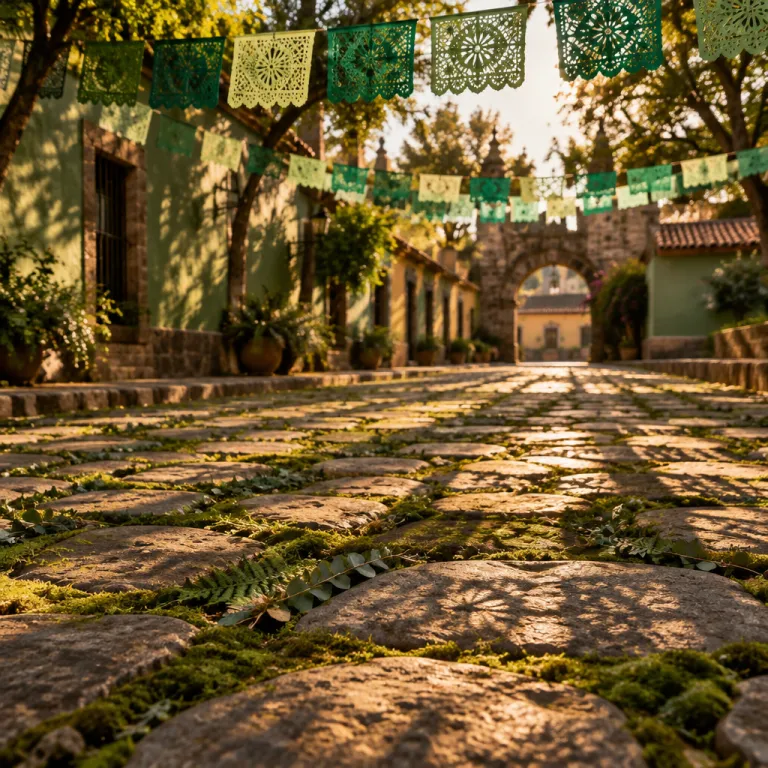
Day of the Dead Mexico City where to stay: Reforma and Centro Histórico
For the Day of the Dead Mexico City where to stay question, start with the official parade map once it is published on the city tourism site (usually in early October). In recent years, the grand parade has threaded from Puerta de los Leones in Chapultepec Park along Paseo de la Reforma, cut through Avenida Juárez and Calle 5 de Mayo, then spilled into the Zócalo in the Centro Histórico, so a hotel on this axis turns the city day into a front row experience. When you stay in this part of Mexico City, you swap taxis for walking shoes and let the city Reforma corridor become your living room.
Think of Reforma as Mexico City’s ceremonial spine during the festival. Rooms facing Paseo de la Reforma or near the Ángel de la Independencia open windows directly onto the grand parade, while side streets offer calmer hotels where amenities include quieter courtyards and thicker curtains for a late morning after a long night. Typical midrange rooms around Reforma run from about US$140–220 per night if booked three to six months ahead, with parade-view suites costing more and selling out first. This is where stay decisions shape how you move, because the parade will lock traffic, close several intersections and turn every crossing into a negotiation with floats, marigolds and marching bands.
In Centro Histórico, staying near Zócalo Central places you within minutes of the cathedral ofrendas and the monumental altar in the main square. A room at Hotel Zócalo or another historic property around the plaza lets you step out at dawn, when the city is hushed and the giant skulls feel almost private, and then retreat upstairs once the crowds swell. For a deeper dive into Centro’s heritage streets and where to stay near its key attractions, see this detailed guide to Mexico City’s historic center and places to sleep.
The trade off here is intensity versus ease. Reforma and Centro concentrate the main city celebrations, from official Día de los Muertos installations to late night concerts, so you feel every drumbeat of the festival. A simple sample day looks like this: morning visit to Templo Mayor and the Metropolitan Cathedral, afternoon walk along Madero and 5 de Mayo to scout ofrendas, then an evening watching the parade reach the Zócalo before dinner on a nearby rooftop. If you want to step straight from your hotel into the day dead crowds without wrestling the metro or gridlocked avenues, this is where stay choices pay off.
Choosing between Reforma, Centro and Coyoacán for Día de los Muertos
Reforma and Centro put you on the parade, but Coyoacán gives you the quieter, candlelit side of Día de los Muertos. In Coyoacán, the focus is less on the grand parade and more on neighbourhood ofrendas, church courtyards and families sharing pan de muerto late into the night, so the mood feels intimate rather than theatrical. Couples who care more about walking through San Juan Bautista’s plaza at dusk than watching floats on Paseo Reforma will feel at home here, especially in small guesthouses around Jardín Centenario and the cobbled streets near the Frida Kahlo Museum.
From a logistics point of view, Coyoacán sits well south of the city Reforma corridor. On a normal city day, the metro from Hidalgo or Insurgentes to Coyoacán station takes about 30–40 minutes, followed by a 15-minute walk, but during the festival and Formula 1 weekend you should allow at least an hour each way. You can still reach the parade by metro or taxi if you leave early in the day, but you will not be able to pop back to your hotel between the afternoon celebrations and the evening events, which makes packing layers, water and snacks essential. The reward is that once the festival crowds thin, your stay in Mexico feels anchored in a real barrio, with local cafés, small hotels and tree lined streets rather than only spectacle.
For many travellers, the ideal answer to the Day of the Dead Mexico City where to stay dilemma is a split stay. Begin with two nights near Reforma or Centro for the city day and night events, then shift to Coyoacán for cemetery visits in San Andrés Mixquic or quieter walks through the Frida Kahlo Museum and nearby plazas. A realistic two-day outline could be: Day 1 in Centro and along Reforma for the parade and Zócalo installations, Day 2 based in Coyoacán with an afternoon visit to Mixquic and an evening wandering local plazas. This way, you experience both the high energy Día de los Muertos city celebrations and the more reflective side of dead Mexico traditions without spending your whole trip in transit.
Whichever area you choose, remember that the festival weekend overlaps the Formula 1 Grand Prix, so hotels across Mexico City will fill quickly. Booking early is not a suggestion but a survival tactic, especially for any hotel with a view of the Ángel de la Independencia or the Zócalo. Leave it too late and you may find that the only remaining hotels are far from the parade route, turning every city day into a long commute and making metro stations near Reforma subject to temporary closures or heavy crowd control.
Centro Histórico heritage stays: culture at your doorstep
Centro Histórico is where Mexico City compresses five centuries of history into a few dense blocks. Here, the Day of the Dead Mexico City where to stay question becomes a matter of how close you want to sleep to the Metropolitan Cathedral, Templo Mayor and the Zócalo’s giant ofrendas, because the city day rhythm is set by bells, drums and street vendors. A hotel around Zócalo Central or on streets like 5 de Mayo and Madero lets you walk everywhere, from Palacio de Bellas Artes to the artisan markets that sell sugar skulls and papel picado.
Many heritage hotels in this area occupy restored mansions where amenities include internal patios, thick stone walls and rooftop terraces overlooking the square. A room at Hotel Zócalo or a similar property means you can watch the grand parade arrive in the plaza, then slip upstairs for a quiet drink while the crowds continue below, which is a great luxury when the night grows loud. Expect a range from simple inns around US$80–120 per night to historic hotels from roughly US$180–260, with the best balcony rooms needing reservations at least four to five months ahead. If you are planning another trip for Independence night, this guide to where to sleep in Centro for El Grito offers useful parallels for choosing a base around the Zócalo.
Staying in Centro also makes it easy to explore museums and galleries between Día de los Muertos events. You can walk from your hotel to the Museo del Estanquillo, the Franz Mayer Museum or the Diego Rivera Mural Museum in under twenty minutes, turning a city day into a curated loop of art, history and street food. Between visits, stop for pan de muerto and hot chocolate in a traditional café, then wander back to your hotel as the night fills with candles and cempasúchil. For simple orientation, imagine a triangle: Bellas Artes at one corner, the Zócalo at another and Alameda Central at the third, with most key sights and many hotels inside this compact area.
There is a trade off, of course. Centro can be noisy, especially around the main celebrations, and some streets feel crowded late into the night, so couples who prefer quieter evenings may want a room facing an internal courtyard rather than the street. Ask specifically for upper floors away from bars and late night venues, and check whether your hotel has 24-hour reception for safe late returns. Still, for travellers who want the Día de los Muertos festival woven into every step, this is where stay decisions align most closely with the city’s historic heart.
Roma, Condesa and beyond: balancing style, nightlife and access
Roma and Condesa sit west of Centro, between the city Reforma corridor and the older neighbourhoods further south. They are not on the grand parade route, but they offer an elegant base with leafy streets, strong restaurant scenes and easy access by metro or taxi to both Paseo de la Reforma and Coyoacán, which makes them attractive for a longer stay in Mexico. For couples who want Día de los Muertos by day and wine bars by night, a hotel in Roma Norte or in the heart of city Condesa can be the sweet spot.
From here, you can reach the Ángel de la Independencia and the main parade in about twenty minutes on foot or a short ride, then retreat to quieter avenues lined with jacaranda trees and Art Deco façades. Many hotels in these barrios offer contemporary rooms where amenities include good soundproofing, rooftop terraces and thoughtful design rather than proximity to a single monument, which suits travellers who value atmosphere as much as logistics. Typical nightly rates range from around US$120–200 for boutique properties, with higher prices for suites that include balconies or kitchenettes. For a curated look at elegant, LGBT friendly places in these areas, this guide to refined Roma and Condesa stays is a useful starting point.
Roma and Condesa also work well if you plan side trips beyond the Día de los Muertos core. You can head north to Chapultepec Park for museums and lakes, or east to Centro for the Zócalo, then circle back for dinner at a neighbourhood spot on Álvaro Obregón or Amsterdam Avenue, turning each city day into a different loop. At breakfast, pan de muerto appears alongside excellent coffee, and by night the celebrations spill into bars and small venues rather than only onto the main avenues. When the parade ends and Reforma’s streets gradually reopen, you can usually walk or take a short ride back to your hotel in under half an hour, even with heavier traffic than usual.
For travellers considering San Miguel de Allende or other cities like San Ángel as add ons, Roma and Condesa offer easy access to bus terminals and the main arteries out of Mexico City. This flexibility matters when the festival and the Formula 1 weekend compress hotel availability and traffic, because a well chosen base can save hours each day. In the end, the right hotel is not just about how many stars it has, but about how many minutes it saves between your pillow and the first marigold garland, and how easily you can move between parade, neighbourhood plazas and onward journeys.
FAQ
When should I book my hotel for Día de los Muertos in Mexico City ?
You should book your hotel several months in advance for Día de los Muertos in Mexico City, especially if you want to stay near Paseo de la Reforma or the Zócalo. The festival overlaps with the Formula 1 Grand Prix, so rooms with good views of the grand parade or the Ángel de la Independencia sell out quickly. Booking early gives you better rates, more choice of hotels and a stronger chance of finding a room that matches your preferred neighbourhood; for parade-view rooms, aim to reserve at least four months before your city day arrival.
Is it better to stay near Reforma or in Coyoacán for the Day of the Dead ?
Staying near Reforma or Centro Histórico is better if your priority is the grand parade and the main city celebrations, because you can walk to most events and avoid traffic and possible metro closures around key stations. Coyoacán is better if you want a more traditional atmosphere with local ofrendas, church plazas and easier access to cemeteries like San Andrés Mixquic, though you will need extra time to reach the parade and should plan for at least an hour each way. Many travellers split their stay between the two areas to experience both sides of Día de los Muertos.
Can I watch the grand parade from my hotel room ?
Some hotels along Paseo de la Reforma and around the Zócalo offer rooms or terraces that overlook the grand parade route. These rooms are limited and usually cost more, and they must be reserved early because demand is high during the festival and the exact route and start time can shift slightly each year. If you cannot secure a parade view, staying within a short walk of Reforma or the Zócalo still allows you to reach the route easily on the city day of the event, and you can arrive at least an hour before the start to find a good spot.
How many days should I stay in Mexico City for Día de los Muertos ?
A stay of three to four nights in Mexico City works well for Día de los Muertos. This gives you one city day focused on the grand parade and Centro Histórico, another for exploring neighbourhoods like Coyoacán or Roma, and a third for cemetery visits or museums in Chapultepec Park. With this duration, you can enjoy both the high energy celebrations and the quieter, more reflective aspects of the festival without rushing, and you have a buffer if heavy traffic or road closures slow your plans.
Is it respectful to wear costumes and face paint during Día de los Muertos ?
Wearing subtle calavera face paint and traditional clothing can be acceptable in tourist areas, but Día de los Muertos is primarily a family remembrance, not a costume party. If you attend cemetery visits or more intimate ceremonies, dress modestly, behave quietly and avoid treating the event as entertainment. When in doubt, follow the lead of local families and remember that you are a guest in a living tradition, where the focus is on honouring the dead rather than on elaborate outfits.