Why mexico city historic center attractions matter when choosing your hotel
Staying near the main Mexico City historic center attractions places you inside a living urban museum. In this compact 9 km² area of the Centro Histórico, more than 2,000 protected building façades surround hotels that cater to travelers who want culture on their doorstep.12 For a guest focused on art, history, and gastronomy, this dense historic city fabric is often the best base in Ciudad de México.
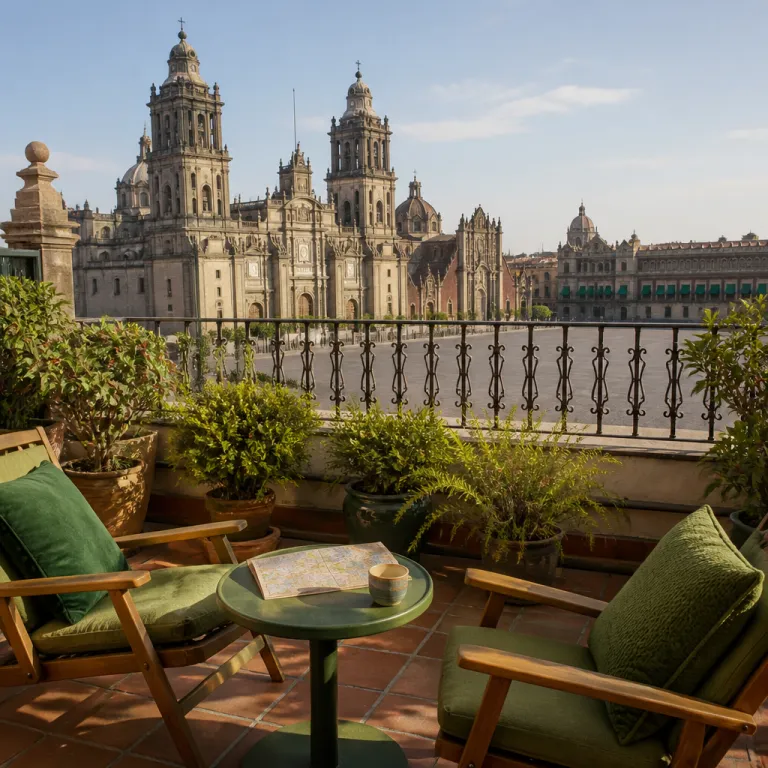
When you book in or near the Centro Histórico, you can walk from your hotel lobby to the Zócalo plaza in minutes. That central square, officially Plaza de la Constitución, anchors the historic center and historic centre and is framed by the Metropolitan Cathedral, the National Palace, and arcaded commercial buildings that glow at night. Choosing a room with a view toward this central Mexico skyline, especially the Torre Latinoamericana, turns every stay into a front row seat on CDMX life.
Many key sights in the old city core are easily reached on foot, which reduces time in traffic and maximizes your visit. From early morning, you can stroll past the Catedral Metropolitana, cross to Templo Mayor, then continue toward Palacio de Bellas Artes and Alameda Central without needing a tour bus. For travelers comparing hotels across Mexico City, this walkable city centro layout and direct access to major attractions are decisive advantages.
Staying around the zócalo, cathedral, and national palace
Hotels around the Zócalo place you between the Metropolitan Cathedral and the National Palace, two of the most emblematic Mexico City historic center attractions. The cathedral, formally the Catedral Metropolitana de la Asunción, dominates the plaza with its baroque and neoclassical towers that catch the morning light. From some nearby rooms, you can watch the flag ceremony on the plaza and feel the pulse of Mexico City before breakfast.
On the eastern side of the Zócalo, the Palacio Nacional houses important Diego Rivera murals that narrate the story of Mexican identity. Guests staying close by can time their visit to the palace around official opening times, typically from mid-morning to late afternoon on most days, then return to their hotel for a midday rest before an evening city walk. Because this palace complex is also the seat of federal power in CDMX, security is visible yet generally discreet, which reassures many first time visitors.
Behind the cathedral, the archaeological site of Templo Mayor reveals the pre-Hispanic layer beneath the Centro Histórico. Hotels in this part of the historic center and historic centre are ideal for travelers who want to move between Aztec ruins, colonial building façades, and contemporary Mexican restaurants in a single afternoon. One local guide described stepping out of a lobby and “smelling fresh tortillas while hearing cathedral bells and seeing the ruins in the same glance,” a reminder of how close these layers sit together.
Palacio de Bellas Artes, fine arts, and the alameda central corridor
West of the Zócalo, the axis that links Palacio de Bellas Artes and Alameda Central is one of the most refined Mexico City historic center attractions. The Palacio de Bellas Artes, often called Palacio Bellas Artes in everyday speech, blends art nouveau and art deco architecture with a luminous tiled dome. Inside, you find major Diego Rivera murals, rotating fine arts exhibitions, and a grand performance hall that draws both locals and visitors.
Hotels near this corridor suit travelers who prioritize art, design, and evening performances. You can leave your room, cross Alameda Central, and reach the palace in under ten minutes, which makes it easy to attend a concert or ballet without worrying about late night transport across the city. The area is also well connected by public transport, with Bellas Artes (Lines 2 and 8) and Hidalgo (Lines 2 and 3) metro stations on nearby lines providing quick links to other districts of central Mexico.
Alameda Central itself is the oldest public park in Mexico and remains a favorite place to stroll between museum visits. From here, you can join a guided tour that links Palacio de Bellas Artes, nearby art spaces, and the Torre Latinoamericana viewing deck, all key Mexico City historic center attractions. When comparing hotels, consider whether you prefer a view of the park, the palace, or the wider CDMX skyline, as each perspective offers a different sense of the city.
Skyline icons, plazas, and evening atmosphere in centro histórico
For many travelers, the Torre Latinoamericana is the vertical reference point among Mexico City historic center attractions. This mid century skyscraper rises above the city centro and offers a panoramic deck where you can see the cathedral towers, Palacio de Bellas Artes, and the dense grid of the historic center. Staying in a nearby hotel allows you to visit the tower at different opening times, perhaps once by day and once at dusk.
Evenings in the Centro Histórico often revolve around plazas that mix music, food, and informal gatherings. Plaza Garibaldi, north of the main centre, is famous for mariachi bands who play traditional Mexican songs late into the night, while the Zócalo and smaller squares near San Juan market attract families and street performers. Guests who enjoy nightlife should look for hotels that balance proximity to these plazas with good sound insulation, so that the energy of CDMX remains outside when it is time to sleep.
Several hotels also organize or recommend a historic city walking tour that covers multiple plazas in a single route. A typical visit might start at Alameda Central, continue past Palacio de Bellas Artes, cross the Zócalo, and end near Plaza Garibaldi for live music and dinner. Local authorities have increased lighting and police presence in these areas in recent years, which many visitors mention as a positive factor when planning evening walks.
Museums, markets, and cultural layers near your hotel
The density of museums around the Centro Histórico is one of the strongest arguments for staying near Mexico City historic center attractions. Beyond the major museum inside Palacio de Bellas Artes and the archaeological displays at Templo Mayor, you will find smaller institutions dedicated to photography, popular art, and local history. Many of these museum spaces occupy restored historic building interiors, which adds architectural interest to each visit.
Food focused travelers often choose hotels close to Mercado de San Juan, a traditional market known for its specialty produce and Mexican delicacies. From there, you can walk to the Zócalo, cross to the National Palace for its Diego Rivera murals, then continue toward Alameda Central for a late afternoon break under the trees. This pattern of short walks between market, museum, and plaza is what makes the historic center and historic centre so attractive for immersive stays.
Some properties also collaborate with local guides to offer themed tours that highlight specific aspects of central Mexico culture. You might join a route focused on colonial religious art that links the Metropolitan Cathedral with lesser known churches, or a circuit that explores the evolution of civic architecture from palace to modern office building. Whatever your interest, staying within the city centro grid means you spend more time engaging with Mexican culture and less time commuting across the wider city.
Practical tips for hotels and tours in mexico city’s historic centre
When you evaluate hotels around Mexico City historic center attractions, start by mapping walking distances to your priority sites. If the Zócalo, the Metropolitan Cathedral, and the National Palace are central to your plans, focus on addresses that keep each plaza within a ten to fifteen minute walk. Travelers who care more about art and performance may prefer the corridor between Palacio de Bellas Artes, Alameda Central, and the Torre Latinoamericana.
Checking opening times for key attractions before you book can help you choose the most convenient location. For example, if you want to visit Templo Mayor and the palace complex early in the day, staying closer to the Zócalo reduces the risk of arriving to long queues, while guests who plan late evening shows at Palacio de Bellas Artes might prioritize that side of the centre. In all cases, wearing comfortable shoes, staying hydrated, and being mindful of local customs will make your walking tours more pleasant.
Guided tours in CDMX range from large group walks to private experiences tailored to your interests. Many hotels in the Centro Histórico can arrange a historic city tour that covers the main highlights in half a day, leaving the rest of your schedule free for independent exploration. As you plan, remember that the Mexico City Government oversees maintenance and promotion of historic sites and UNESCO has recognized the area as a World Heritage Site, which underlines the global importance of this central Mexico district.3
Key figures for mexico city’s historic center
- The Centro Histórico of Mexico City covers approximately 9 km², which makes it compact enough to explore on foot while still offering the density of a major capital district.1
- There are around 2,000 catalogued historic buildings in the historic center, giving hotel guests an unusually rich architectural backdrop compared with many other urban destinations.2
- Tourism authorities promote year round visits, with typical itineraries suggesting a morning at the Zócalo, an afternoon in museums, and an evening in local restaurants or plazas.
- Walking tours, guided excursions, and self paced visits are the three most common methods used by visitors to experience Mexico City historic center attractions in a structured way.
FAQ about mexico city historic center attractions and stays
What is the Zócalo in Mexico City’s historic center ?
The Zócalo is the main square in Mexico City's historic center and serves as the ceremonial heart of the nation. It is framed by the Metropolitan Cathedral, the National Palace, and arcaded commercial buildings that host shops and restaurants. Many travelers choose hotels within walking distance of this plaza to stay close to key Mexico City historic center attractions.
Are guided tours available in the Centro Histórico ?
Are guided tours available? Yes, various guided tours are offered. Hotels in the Centro Histórico can usually arrange group or private walks that cover the cathedral, Palacio Nacional, Templo Mayor, Palacio de Bellas Artes, and Alameda Central. These tours help first time visitors understand the historic layers of CDMX while navigating the city centro efficiently.
Is the historic center safe for tourists staying in local hotels ?
Is the area safe for tourists? Generally safe; stay aware of surroundings. The Mexico City Government maintains a visible security presence around major plazas and museums, especially near the Zócalo and Palacio de Bellas Artes. As in any large city, guests should keep valuables secure, use registered taxis or ride hailing services at night, and follow hotel staff advice about specific streets.
When is the best time of day to visit major attractions ?
Morning visits to the cathedral, Templo Mayor, and the National Palace usually mean shorter queues and cooler temperatures. Many travelers then spend the afternoon in museums such as Palacio de Bellas Artes or smaller art spaces near Alameda Central, when the sun is stronger. Evening is ideal for skyline views from the Torre Latinoamericana and for music filled plazas like Plaza Garibaldi.
How should I choose between staying in the Zócalo area or near Bellas Artes ?
Guests who prioritize political history, religious architecture, and proximity to Templo Mayor often prefer hotels around the Zócalo and the National Palace. Travelers more focused on art, performances, and a slightly quieter atmosphere may choose the corridor between Palacio de Bellas Artes and Alameda Central. Both areas keep you close to core Mexico City historic center attractions, so your decision should reflect personal interests and preferred evening ambiance.
1 Area figure based on commonly cited estimates for the Centro Histórico of Mexico City.
2 Building count drawn from official heritage inventories that list roughly two thousand catalogued structures.
3 The Historic Center of Mexico City and Xochimilco are inscribed together on the UNESCO World Heritage List.