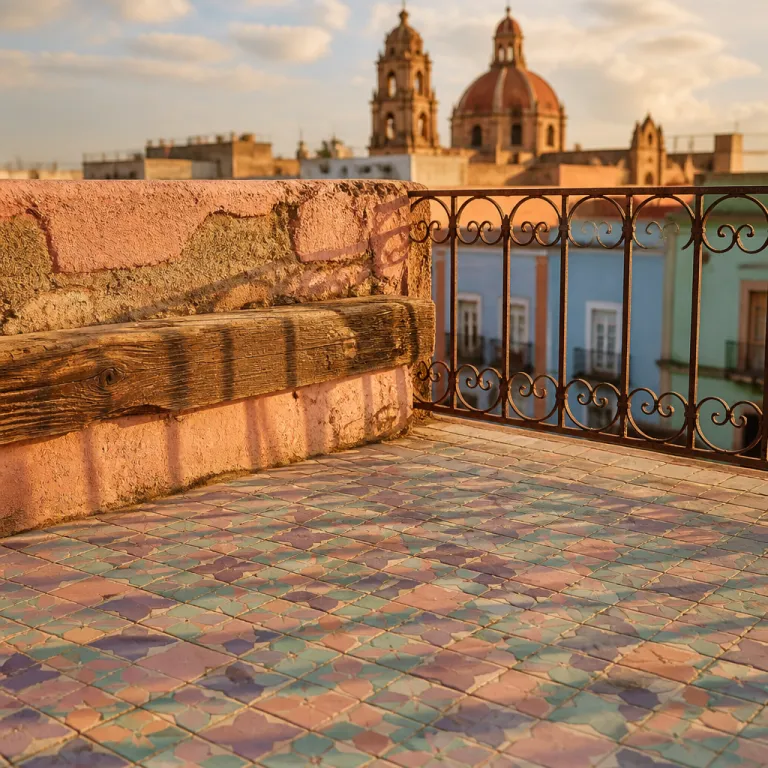
Mexico City itinerary 5 days for hotel guests who love culture
Mexico City rewards travelers who plan a thoughtful city itinerary that balances art, history, food, and rest. Over 5 days in Mexico City you can stay in a well located hotel and still reach the main museum districts, the historic center, and the southern neighborhoods without rushing. This five day Mexico City itinerary is designed so each day in the capital feels rich yet manageable, with enough time for museums, meals, and short breaks back at your hotel.
Base yourself in a central area of the city such as Roma Norte, Condesa, or the Centro Histórico to shorten travel times and enjoy excellent food within walking distance. From a hotel in Roma you can reach the Frida Kahlo Museum, the Museo Nacional de Antropología, and Palacio de Bellas Artes by Metro, taxi, or ride share in under 40 minutes most days. When you plan your trip this way, every tour, every day trip, and every evening in Mexico City will feel more relaxed and enjoyable because you spend less time in traffic and more time exploring.
Think of this Mexico City itinerary for 5 days as a framework you will adapt using a map app and local advice from hotel staff and guides. Each day in Mexico offers a different mix of museum visits, street life, and Mexican food experiences so you never feel stuck in one type of activity. Throughout the trip Mexico City unfolds as a layered place where great art, casual cooking class sessions, and even late night lucha libre all fit comfortably into a single visit, especially when you pace your days realistically.
Where to stay for a 5 day city itinerary focused on tours
Choosing the right hotel area in Mexico City will shape how easily you can follow any five day cultural itinerary. Roma Norte works beautifully for visitors who want cafés, nightlife, and quick access to both the historic center and Coyoacán for the Frida Kahlo Museum. The Centro Histórico suits travelers who prefer to step straight from their hotel into grand plazas, colonial architecture, and the city’s most famous art landmarks without needing long transfers.
Roma and Condesa feel leafy and residential, so many tourists appreciate returning there after a long day trip to Teotihuacán or Xochimilco. From Roma Norte you can reach the Museo Nacional de Antropología in about 20 minutes by car, then continue to Chapultepec Castle and the surrounding museum cluster in the same day. If you are unsure which neighborhood fits your style, consult a detailed Mexico City travel guide about how to choose the right hotel neighborhoods and tours on this specialized resource.
Hotel staff in both Roma Norte and the historic center can arrange a private tour, a group tour, or a free walking tour that starts near your lobby. They will also help you interpret Metro routes, explain which lines feel most straightforward for visitors, and suggest the best time of day to visit busy sites like Palacio de Bellas Artes or the Kahlo Museum. When you book, review the property’s basic policies so you understand how your travel data and payment details are handled, and confirm whether they can store luggage before check in or after check out.
Day 1 city itinerary: Centro Histórico, Palacio de Bellas Artes, and street food
Begin your first full day in Mexico City in the Centro Histórico, the historic center that still anchors civic and religious life in the city. From many hotels you can walk to the Zócalo, explore the cathedral, then continue through narrow streets lined with Mexican food stalls and traditional shops. Plan around three hours for this morning walk so you can step inside churches, browse markets, and pause for coffee or churros without rushing.
Late morning, head toward Palacio de Bellas Artes, the iconic marble palace that houses murals by Diego Rivera and other great Mexican artists. Inside this Palacio de Bellas Artes complex you will find a museum of fine art, a performance hall, and rotating exhibitions that make it easy to spend several hours; most visitors allow 1.5 to 2 hours for the museum itself. Nearby, the pedestrian streets offer free entertainment in the form of musicians, dancers, and pop up markets that keep the city’s energy high throughout the day.
Use a digital map to trace a loop through the historic center that includes the Torre Latinoamericana for panoramic city views and the nearby Museo Nacional de Arte. Many travelers like to end their first day within the Centro Histórico at a traditional cantina or a modern restaurant that reinterprets classic Mexican food, budgeting roughly 200–400 MXN per person for a casual dinner. Back at your hotel, review the next days’ plan and confirm any tour pick up times with reception so the rest of your trip runs smoothly and you know when to be in the lobby.
Day 2 and 3: museums, Chapultepec, Teotihuacán, and hot air balloon experiences
The second day in Mexico City in your five day plan should focus on Chapultepec Park and its extraordinary museums. Start early at the Museo Nacional de Antropología, widely considered one of the best museums in the world for pre Hispanic art and history. Most people spend 2–3 hours here, so aim to arrive close to opening time to avoid crowds and give yourself space to appreciate the main halls.
After a museum heavy morning, enjoy a slow lunch in Roma or Condesa where the food scene ranges from casual tacos to refined tasting menus. Many hotels in Roma Norte can recommend a Mexican cooking class in the afternoon, which turns your trip into a hands on cultural experience rather than a passive tour. Evening is a great time to stroll tree lined streets, use your map app to locate a mezcal bar, and appreciate how this part of the city feels both creative and relaxed, especially around plazas and small parks.
On day three, dedicate your time to a day trip from Mexico City to Teotihuacán, the ancient city of pyramids located about 50 kilometres away. Some travelers book a sunrise hot air balloon flight, while others prefer an air balloon ride later in the morning combined with a guided ground tour. Expect a full excursion to last 6–8 hours door to door, and for more ideas on how to structure things to do from a well located hotel base, consult this curated overview of activities before finalizing your itinerary.
Day 4 and 5: Coyoacán, Frida Kahlo, Xochimilco, and lucha libre nights
The fourth day in Mexico City in your five day itinerary belongs to Coyoacán, the leafy southern district that once felt like a separate town. Here you will visit the Frida Kahlo Museum, often called the Kahlo Museum or Casa Azul, where Frida Kahlo and Diego Rivera lived and worked. Tickets sell out quickly, so ask your hotel to secure timed entry at least a week in advance and plan your travel using a map app to avoid peak traffic; most visitors spend about 60–90 minutes inside the house and garden.
Before or after the Frida Kahlo visit, wander Coyoacán’s plazas, churches, and markets where Mexican food stalls serve churros, tostadas, and fresh fruit drinks. Art lovers can combine the Kahlo Museum with the nearby Museo Nacional de las Culturas Populares or the León Trotsky Museum for a deeper sense of the area’s political and artistic history. Many tourists say this is one of the best days Mexico City offers because it blends intimate art, neighborhood life, and relaxed walking rather than a rushed tour, and you can easily fill 5–6 hours here including lunch.
Reserve your final day trip for Xochimilco’s canals or keep it flexible for last minute shopping and a free afternoon near your hotel. Evening is the perfect time to attend a lucha libre wrestling show, which turns your final night in Mexico City into a loud, colorful celebration of popular culture. Ask hotel staff or local guides which arena and tour option will suit your comfort level, then review the venue’s basic booking terms when purchasing tickets online so you understand start times, seat categories, and any camera rules.
How local tours, guides, and hotel staff elevate your 5 day trip
Local guides in Mexico City transform a standard city itinerary into a layered narrative that connects buildings, people, and food. A knowledgeable guide in the historic center can explain how the cathedral, Palacio de Bellas Artes, and surrounding museum network reflect different eras of Mexican art and politics. In Roma Norte, guides often focus on architecture, street art, and the evolution of the neighborhood’s dining scene, pointing out small galleries and cafés you might otherwise miss.
Hotels play a quiet but crucial role in making your five day stay feel seamless rather than stressful. Front desk teams help you interpret Metro routes, choose the best time to visit crowded sites, and book a cooking class or a lucha libre tour that matches your interests. They also remind you about practicalities such as staying hydrated at altitude, using public transport safely, and watching your belongings in busy areas, especially around major Metro hubs and markets.
For many tourists, a mix of free walking tours and paid small group excursions offers the best balance of budget and depth. Walking tours in the Centro Histórico or Roma introduce the city’s layout, while specialized museum tours at the Museo Nacional de Antropología or the Kahlo Museum provide expert context. Throughout your days in Mexico’s capital, you will notice how hotel staff, local guides, and everyday residents all contribute to a welcoming atmosphere for respectful visitors who follow local etiquette.
Practical planning: safety, transport, and digital tools for your stay
Mexico City is generally safe for tourists who exercise standard precautions, especially in central areas popular with travelers. Public transport and ride sharing apps are common, and many visitors combine Metro rides with taxis to keep each day trip efficient and affordable. Basic Spanish helps in markets and small eateries, though many hotel staff and tour operators speak English and can help you clarify addresses or directions for drivers.
Download offline maps for the city so your five day itinerary remains accessible even without constant data. Mark key locations such as your hotel, the historic center, Roma Norte, the Museo Nacional de Antropología, Palacio de Bellas Artes, and the Frida Kahlo Museum before you travel. This simple step will save time each day and reduce stress when moving between tours, meals, and museum visits, especially if your phone signal drops inside Metro tunnels or thick walled buildings.
When booking hotels, tours, and hot air balloon or air balloon experiences, always review each company’s core terms and conditions. These documents explain how your personal data, payment information, and travel details will be stored and used during and after your trip. As interest in cultural tourism, culinary experiences, and eco friendly travel grows, responsible operators in Mexico City are increasingly transparent about digital practices and guest protections, and your hotel can often point you toward reputable partners.
Key figures for planning a mexico city itinerary 5 days
- Mexico City has around 9 200 000 residents, which means the city feels busy year round and hotel guests should book key tours and restaurants several days in advance (population figure based on data from Mexico’s national statistics institute, INEGI).
- The city offers roughly 180 museum institutions, so even a focused five day cultural itinerary will only sample a fraction of its depth (museum count reported by Mexico City’s Secretaría de Cultura and local cultural directories).
- Many travelers consider March to May the best time to visit Mexico City because temperatures are mild and rainfall is relatively low compared with the summer rainy season.
- Public transport and ride sharing apps are widely used, allowing visitors based in Roma Norte or the Centro Histórico to reach major sites such as the Museo Nacional de Antropología or Palacio de Bellas Artes in under 40 minutes in typical traffic.
- Teotihuacán lies about 50 kilometres from Mexico City, so a combined pyramid tour and hot air balloon or air balloon experience usually occupies most of one full day trip in your itinerary.
FAQ: mexico city itinerary 5 days for hotel based travelers
Is Mexico City safe for tourists following this itinerary ?
Mexico City is generally safe for tourists who stay in central neighborhoods, use registered taxis or ride share services, and keep valuables secure in crowded areas. Current local experience indicates that central districts feel busy but manageable; exercise standard precautions, which aligns with official advice for large cities. Choose hotels with 24 hour reception and ask staff about any streets to avoid late at night.
What is the best time to visit Mexico City for a 5 day stay ?
The best time to visit Mexico City for a five day trip is typically from March to May, when daytime temperatures are comfortable and evenings are cool. These months suit a cultural itinerary that includes outdoor walking tours, day trips, and evening lucha libre events. Hotel rates can be higher around major holidays, so book early if your travel dates are fixed and consider midweek arrivals for better availability.
Do I need to speak Spanish to follow this city itinerary ?
You do not need to be fluent in Spanish to enjoy this city itinerary, especially if you stay in Roma Norte, Condesa, or the historic center. Basic Spanish helps; many locals speak English, particularly in hotels, museums, and organized tour companies. Learning a few phrases for greetings, directions, and food orders will make daily interactions smoother and more enjoyable, and hotel staff can help you practice key words.
How do I get around between my hotel and main sights ?
Most visitors combine Metro rides, registered taxis, and ride sharing apps to move between their hotel, the Centro Histórico, Roma, Coyoacán, and Chapultepec. Public transport and ride sharing apps are common, and many hotels provide printed maps or help you set up simple Metro routes. For early morning hot air balloon departures or late night lucha libre shows, pre arranged transfers through your hotel or tour operator are often the most convenient option.
Which currency should I use and how should I pay for tours ?
The Mexican Peso (MXN) is the currency used in Mexico City, and you will need cash for markets, small eateries, and some local guides. Larger museums, hotels, and tour companies usually accept credit cards, especially for booking a cooking class, a day trip, or a hot air balloon experience. When paying online, always check the operator’s main booking terms so you understand how your financial data will be protected and whether prices are charged in pesos or converted to another currency.