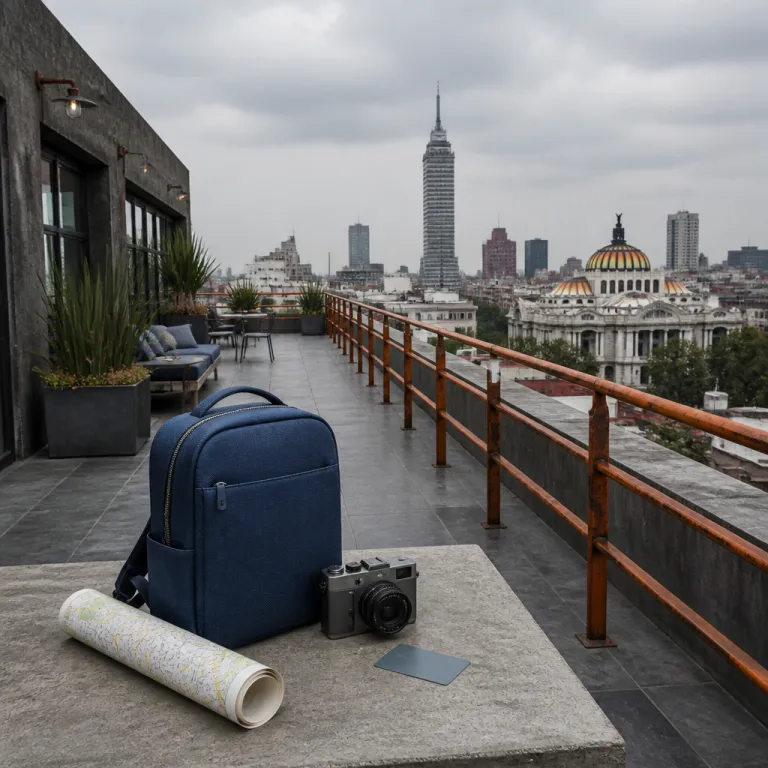
Elegant things to do in Mexico City around your hotel base
Staying in a central hotel turns the list of things to do in Mexico City into a curated collection of effortless experiences. From a well located property in the historic Centro Histórico or the leafy Roma neighborhood, you can walk to major sights, arrange a guided tour within minutes, and still be back in time for a late Mexican dinner. Choose a hotel near a key metro line such as Line 2 at Zócalo/Tenochtitlan or along Paseo de la Reforma so you reduce travel time and increase the hours you spend immersed in the city.
The heart of Mexico City is the Zócalo, the vast main square framed by the cathedral and Palacio Nacional, and it should anchor at least one full day of your stay. Many travelers book hotels within one or two blocks of the Zócalo to enjoy sunrise views over the square, then join a small group walking tour that covers the surrounding Centro Histórico streets, Diego Rivera murals, and the monumental Templo Mayor archaeological site. This combination of hotel convenience and guided context helps you understand how pre Hispanic ruins, colonial architecture, and contemporary city life coexist in a single compact area.
First time visitors often ask about the best time to visit Mexico City and how many days they should plan. The city is genuinely a year round destination, with the dry season offering clearer skies for rooftop restaurants and evening views over Chapultepec Park, while the rainy months bring dramatic clouds over Chapultepec Castle and the surrounding Chapultepec Forest. Aim for at least four full days in Mexico City so you can balance headline attractions, a dedicated food tour, and one relaxed day trip without rushing between neighborhoods; if you have less time, focus on the Centro Histórico, Chapultepec, and one evening experience such as lucha libre.
Historic core, Zócalo, and Templo Mayor from your city hotel
Booking a hotel in or near the Centro Histórico places you inside the densest cluster of things to do in Mexico City. Step outside after breakfast and you are already within a few hundred metres of the Zócalo, the Metropolitan Cathedral, and the excavated ruins of Templo Mayor, which reveal the Aztec layers beneath modern Mexico. This area rewards slow exploration, so allow time to wander side streets, visit traditional Mexican restaurants such as Café de Tacuba or El Cardenal, and pause for coffee in tiled cafés that have served the city for generations.
To deepen the experience, join a small group tour that focuses on the Centro Histórico and its art and architecture. A well designed tour will typically include Palacio Nacional for Diego Rivera’s panoramic murals, the grand façade of Palacio de Bellas Artes, and the surrounding streets that showcase both Art Deco and contemporary design, while also pointing out the best spots for street food. When guides explain how the Zócalo evolved from an Aztec ceremonial centre into the political heart of Mexico, the city’s layered history becomes much easier to grasp, especially if you have already seen the Templo Mayor ruins earlier in the day.
Evenings in this neighborhood feel very different from the daytime bustle. As offices empty, the streets around the Zócalo fill with families, street performers, and musicians, while the illuminated Palacio de Bellas Artes and nearby historic buildings create a theatrical backdrop for photographs. Consider timing one night so you can walk from your hotel to a performance inside Palacio de Bellas Artes, then finish with tacos al pastor from a trusted street food stand recommended by your guide, returning to your hotel by Metro Bellas Artes or a short licensed taxi ride.
Chapultepec, museums, and art focused things to do in Mexico City
For travelers who value culture, some of the most rewarding things to do in Mexico City cluster around Chapultepec Park and the surrounding avenues. This vast green space, often called Chapultepec Forest, contains lakes, walking paths, and several of the city’s most important museums, making it ideal for a full day that combines nature, history, and art. Choose a hotel along Paseo de la Reforma or in nearby Roma Norte so you can reach Chapultepec by foot, bicycle, or a short ride on public transport via Metro Chapultepec on Line 1 or the Reforma Metrobús corridor.
Begin with the Museo Nacional de Antropología, widely regarded as the leading anthropology museum in Mexico and one of the most significant in the world. With around two million annual visitors according to recent INAH statistics, the museum anthropology collections trace Mesoamerican civilizations from the Olmecs to the Mexica, and a guided tour here transforms carved stone into vivid stories, especially when you see the Aztec Sun Stone in person. Many small group tours combine the anthropology museum with an afternoon visit to Chapultepec Castle, whose hilltop position offers sweeping views over Chapultepec Park and the modern skyline of Mexico City; timed tickets and early starts help you avoid the longest queues.
Art lovers should reserve another day for Palacio de Bellas Artes and its surrounding galleries. Inside Palacio de Bellas Artes you will find monumental murals by Diego Rivera and other Mexican masters, while the building itself is a landmark of early twentieth century architecture that anchors the cultural life of the city. Pair this visit with time in nearby Roma, where converted mansions now house contemporary art spaces, design shops, and restaurants that reinterpret Mexican food with seasonal ingredients, and use Metro Hidalgo or Metrobus stops along Reforma to move efficiently between your hotel, the museum district, and evening dining reservations.
Roma and Roma Norte: neighborhood life, food tours, and nightlife
Many visitors planning things to do in Mexico City choose to stay in Roma or Roma Norte for their balance of charm and convenience. These neighborhoods sit between the historic centre and Chapultepec, which means your hotel base here keeps travel times short while surrounding you with cafés, parks, and independent restaurants. Streets lined with trees and early twentieth century architecture create a relaxed atmosphere that contrasts with the intensity of the Zócalo and Centro Histórico.
Roma Norte in particular has become a reference point for contemporary Mexican food and creative bars. Joining a guided food tour here is one of the best ways to understand how traditional street food, regional dishes, and modern techniques coexist in a single neighborhood, from tamales and quesadillas to tasting menus that highlight ingredients from across Mexico. Because many food tour operators limit groups to small group sizes, you can ask detailed questions, get tailored restaurant recommendations near your hotel, and learn how locals actually eat in Mexico City, often with practical tips on ordering, tipping, and typical opening hours.
Day and night offer very different experiences in Roma. During the day you can visit design shops, small galleries, and markets such as Mercado Roma, then walk or cycle to Chapultepec Park or the anthropology museum without needing a taxi. After dark, the same streets fill with people heading to wine bars, mezcalerías, and late opening restaurants, so you can enjoy Mexico City nightlife and still return to your Roma hotel on foot in under fifteen minutes, using well lit avenues such as Álvaro Obregón or Colima for added comfort.
Frida Kahlo, Xochimilco, and classic day trips from Mexico City hotels
Once you have covered the central things to do in Mexico City, it is time to look beyond your immediate neighborhood. Two of the most emblematic experiences, visiting the Frida Kahlo Museum in Coyoacán and sailing the canals of Xochimilco, can be combined into a full day trip from most central hotels. Many travelers arrange these as part of a small group tour that includes hotel pickup, which simplifies logistics and lets you focus on the experience rather than traffic.
The Frida Kahlo Museum, often called Casa Azul, preserves the artist’s home, personal objects, and a selection of her work. A guided visit here provides context about her relationship with Diego Rivera, the political and artistic circles of early twentieth century Mexico, and the way her physical pain shaped her art, while the surrounding Coyoacán neighborhood invites you to linger in plazas and cafés. From there, a driver or tour can take you to Xochimilco, where colorful trajinera boats glide along canals that stretch for roughly one hundred and seventy kilometres according to UNESCO estimates, and where mariachi bands move from boat to boat offering songs for a small fee; advance online tickets for Casa Azul are strongly advised due to timed entry.
When planning this kind of day trip, consider your hotel location and traffic patterns. Properties in Roma, Condesa, or near Chapultepec often provide faster access to the south of the city, which reduces time in transit and leaves more hours for the Frida Kahlo Museum and Xochimilco. Wear comfortable shoes, stay hydrated, and use official tour guides so that your visit to these iconic parts of Mexico City remains both enjoyable and safe, especially if you are returning to your hotel after dark.
Nightlife, lucha libre, and mariachi bands for memorable evenings
Evenings unlock a different set of things to do in Mexico City, especially for guests staying in central hotels. One of the most atmospheric options is to attend a lucha libre wrestling show, where masked fighters perform acrobatic moves in front of an enthusiastic crowd, and where the spectacle is as much about Mexican popular culture as sport. Many travel agencies and hotel concierges can arrange a small group tour that includes ringside seats, transport, and a guide who explains the characters and rituals.
Another classic night experience is to listen to mariachi bands in Plaza Garibaldi or at traditional restaurants that feature live music. While some visitors find Plaza Garibaldi intense, going with a guide or organized tour helps you navigate the area, choose reputable musicians, and agree on song prices before they start playing, which keeps the evening relaxed. If you prefer a quieter setting, ask your hotel to recommend venues where mariachi bands perform for diners, allowing you to enjoy Mexican music alongside regional food and drinks.
For a more refined cultural evening, consider a performance at Palacio de Bellas Artes or a late opening at a major museum. The city’s cultural institutions increasingly use tools such as audio guides, tourist apps, and even augmented reality to enrich the visitor experience, which means a night visit can feel very different from a daytime tour. Plan your schedule so that you can have an early dinner in Roma or near Chapultepec, attend a concert or exhibition, and then walk or take a short ride back to your hotel without rushing, checking performance times and ticket availability the day before.
Key figures and practical statistics for planning your Mexico City stay
- The Museo Nacional de Antropología welcomes around two million visitors each year according to the National Institute of Anthropology and History, which means advance planning or timed tickets are wise during peak seasons; consult the latest INAH reports for updated figures.
- The Xochimilco canal system extends for roughly one hundred and seventy kilometres as reported by UNESCO, so guided routes focus on the most atmospheric sections rather than attempting to cover the full network, and official UNESCO documentation provides further historical context.
- Mexico City’s main attractions operate year round, but the dry season from November to April generally offers more stable weather and clearer skies for rooftop views and Chapultepec Castle panoramas, according to long term climate data from local tourism authorities.
- Walking tours, public transportation, and guided tours form the core methods recommended by local tourism authorities, with an increasing rise in eco friendly and small group experiences that reduce pressure on historic sites and encourage responsible travel behaviour.
FAQ: essential questions about things to do in Mexico City
What is the best time to visit Mexico City for sightseeing ?
Mexico City is a viable destination throughout the year, but the dry season from November to April usually offers the most comfortable conditions for walking tours, open air visits to Chapultepec Park, and rooftop dining. During these months you are more likely to enjoy clear views from Chapultepec Castle and fewer sudden showers while exploring the Zócalo or Centro Histórico. Even in the rainy season, most storms arrive in the late afternoon, so you can plan museum visits and indoor activities for those hours and keep mornings for outdoor excursions.
Are guided tours available in English at major museums and sites ?
Yes, guided tours in English are widely available at key attractions such as the Museo Nacional de Antropología, Chapultepec Castle, Palacio de Bellas Artes, and the Frida Kahlo Museum. Many operators offer small group formats that include hotel pickup, while museums often provide official guides or audio guides in multiple languages. Booking in advance is recommended for popular sites, especially on weekends and public holidays, and you can usually reserve time slots through official museum ticketing platforms or trusted tour agencies.
Is public transportation safe for tourists staying in central hotels ?
Public transportation in Mexico City is generally safe for tourists who follow usual urban precautions, such as avoiding very crowded carriages with valuables exposed and keeping an eye on belongings. Metro and Metrobus lines connect many hotel districts with areas like Chapultepec, Roma, and the Centro Histórico, which can significantly reduce travel time and costs. For late night returns from lucha libre or mariachi venues, licensed taxis or app based services are usually more comfortable options, and hotel staff can help you identify official taxi ranks.
How many days should I plan to cover the main things to do in Mexico City ?
A stay of four to five full days allows you to experience the main highlights of Mexico City without rushing. With this amount of time you can dedicate at least one day to the Centro Histórico and Zócalo, another to Chapultepec Park and the anthropology museum, one to Roma and food tours, and one day trip to the Frida Kahlo Museum and Xochimilco. Extra days give you space for additional museums, shopping, or simply enjoying your hotel neighborhood at a slower pace, including repeat visits to favourite cafés or parks.
Should I book tours in advance or through my hotel concierge ?
For high demand experiences such as the Frida Kahlo Museum, lucha libre nights, and certain food tours, advance booking is strongly recommended to secure preferred time slots and small group places. Your hotel concierge can be very helpful for last minute arrangements, especially for city walking tours, Chapultepec Castle visits, or mariachi evenings, and they often know which local operators are most reliable. A balanced approach works well, reserving key experiences before you visit Mexico and leaving some flexibility for spontaneous activities once you have settled into your hotel and understood local travel times.
References
- National Institute of Anthropology and History (INAH), visitor statistics and museum information
- UNESCO World Heritage Centre, Xochimilco canal system and historical background
- Mexico City Tourism Board, official guidance on seasons, transportation, and visitor safety