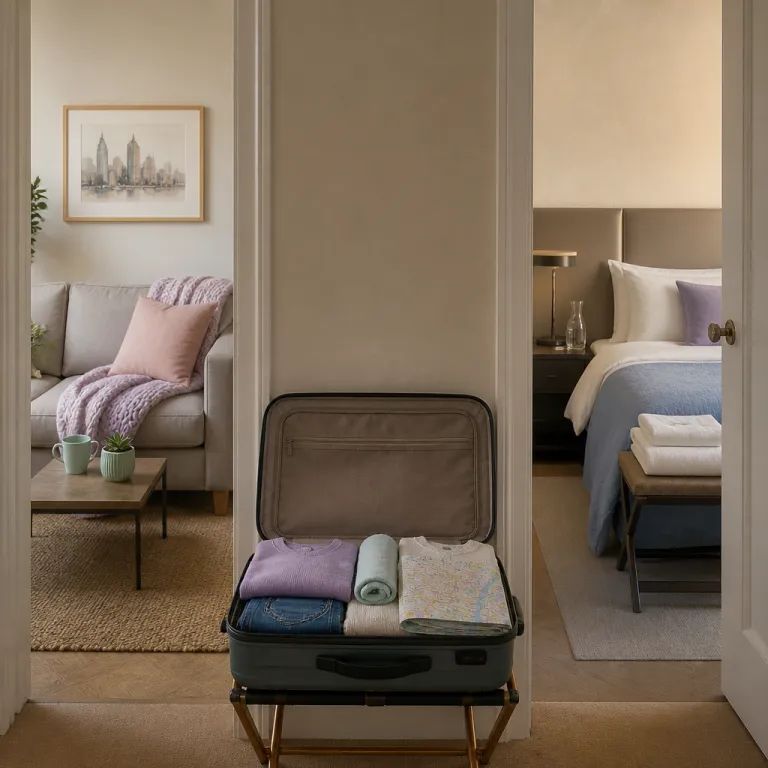
Airbnb vs hotel in Mexico City for first‑time visitors
For a first stay in Mexico City, the choice between an Airbnb and a hotel shapes how you experience the capital. When you compare an Airbnb vs hotel in Mexico City, you are really weighing privacy, service, and how close you want to feel to everyday life in Mexico. Your ideal place will depend on whether you value a staffed lobby and 24‑hour security or prefer an independent Airbnb apartment with a kitchen and more residential charm.
Average prices illustrate the gap clearly: recent market data from Airbnb reports and Mexico City hotel benchmarks in 2023–2024 indicates that the typical Airbnb night in Mexico City costs around 72 USD, while the average hotel night reaches about 112 USD, so the difference becomes significant over a week‑long stay. This cost contrast matters if your trip to México includes several internal flights or tours, because accommodation savings free budget for museums, restaurants, and bars. Yet a higher rate at a nice hotel often buys daily housekeeping, reception support, and a central city location that shortens every journey.
Travelers comparing Airbnb vs hotel in Mexico City should also consider regulations that affect how and where they can book. Local rules described in Mexico City government briefings and draft norms limit many short‑term rentals to roughly six months of operation each year, which means some Airbnb apartment listings may appear and disappear quickly, so you must verify availability carefully before you stay in México. Hotels, by contrast, operate under long‑established hospitality laws in Mexico, so they usually offer more predictable standards, clearer cancellation policies, and more consistent room categories.
Location choices in Mexico City ; centro, Reforma, and beyond
Location is where the Airbnb vs hotel in Mexico City decision becomes most visible on your map. The historic center, often called the Centro Histórico, places you among colonial facades, major museums, and the Zócalo square, while the modern Paseo de la Reforma corridor offers glass towers, embassies, and many a nice hotel with skyline views. In both areas, you will find a mix of hotel rooms and Airbnb apartment options, but the feel of each city place differs dramatically.
In the historic center, a hotel stay keeps you steps from the cathedral, the Palacio de Bellas Artes, and countless traditional cafés and bars, so you can walk almost everywhere and rarely need a taxi at night. Many visitors choose to book a room facing an interior courtyard to reduce street noise, while others prefer an apartment‑style stay with a small kitchen to prepare breakfast before exploring. When you compare Airbnb vs hotel in Mexico City here, remember that some older buildings lack lifts, so a higher‑floor room in an Airbnb might mean carrying luggage up several flights.
Along Paseo de la Reforma and near Chapultepec Park, the balance shifts toward larger properties with structured services and strong 24‑hour security at the entrance. This corridor feels like a central business district during the day, yet it stays lively after dark thanks to restaurants, cocktail bars, and cultural venues, which helps many guests feel the city is safe enough for evening walks. Typical Uber rides from Reforma to the Zócalo take about 15–25 minutes in normal traffic and cost the equivalent of 4–8 USD, so if you do not mind a slightly longer ride to the historic center, staying here in a hotel or serviced apartment can offer calmer streets, wider sidewalks, and easier access to green spaces.
Space, comfort, and amenities ; what you really get
When you unpack the Airbnb vs hotel in Mexico City debate, space and amenities quickly come to the foreground. A typical hotel room in Mexico City offers a standardized layout with a bed, desk, and private bathroom, while an Airbnb apartment often adds a living area, separate rooms, and a full kitchen. For longer stays, that extra space will change how you relax, work, and share the stay with friends or family.
Hotels excel at predictable comfort: you know the mattress quality, the water pressure, and the daily cleaning routine will meet a defined standard, which is reassuring if this is your first trip to México. Many properties near the center and in Polanco or Roma, such as business‑class chains and boutique hotels with small gyms, provide fitness rooms, compact pools, and on‑site restaurants, so you can return from the city and unwind without leaving the building again at night. This kind of integrated service suits travelers who do not stay in one place for long during the day but want everything ready when they return.
Airbnb hosts in Mexico often compete by offering more homelike touches, from washing machines to stocked kitchens and flexible living rooms that double as workspaces. A typical mid‑range listing in Condesa or Roma Norte might include a queen bed, a sofa bed in the lounge, a basic desk, and a balcony facing a tree‑lined street. If you do not mind handling your own cleaning and laundry, an apartment can feel like your personal base in the city, especially when you stay in México for a week or more. Just remember that not every Airbnb apartment includes 24‑hour security or reception staff, so you must read descriptions carefully and decide how independent you want your city stay to be.
Safety, regulations, and peace of mind in the city
Safety is often the decisive factor when travelers weigh Airbnb vs hotel in Mexico City. Official crime statistics from Mexico’s national data agency and on‑the‑ground experience both show that central districts such as the historic center, Reforma, Polanco, Condesa, and Roma can feel city‑safe when you follow normal big‑city precautions. Choosing the right place to stay, and the right type of accommodation, will influence how relaxed you feel walking back after dinner.
Hotels usually provide staffed entrances, cameras, and clear 24‑hour security procedures, which many solo travelers and first‑time visitors appreciate, especially when they return late from bars or cultural events. Reception teams can arrange registered taxis, confirm safe routes to Chapultepec Park, and advise which streets to avoid at night, so you benefit from local knowledge as well as infrastructure. This support becomes particularly valuable if you do not stay in Mexico City often and still feel unsure about how the city works.
Airbnb properties operate under a different framework: local legislation and municipal guidelines limit many short‑term rentals to part of the year, and enforcement continues to evolve while listings keep growing. Before you book, you should verify exact addresses, read recent reviews about the building, and check whether the city place has controlled access or shared 24‑hour security at the entrance. Authorities and analysts often summarize the situation in three key answers based on current reports: “Is Airbnb cheaper than hotels in Mexico City? Yes, average Airbnb rates are lower than hotel rates.” “Are there regulations on Airbnb in Mexico City? Yes, many rentals are limited to around six months per year.” “What amenities do hotels offer that Airbnb may not? Daily housekeeping, on‑site restaurants, concierge services.”
Cost, value, and when each option makes sense
Price comparisons around Airbnb vs hotel in Mexico City should go beyond the nightly rate you see on the screen. An Airbnb night may look cheaper at first, but cleaning fees, service charges, and transport from less central neighborhoods can narrow the gap with a hotel in the center. On the other hand, if you share an Airbnb apartment with friends, the cost per room can drop sharply, which makes a longer stay in México more affordable.
Hotels in Mexico often bundle breakfast, gym access, and business services into the rate, so the value improves if you would pay for those separately in the city. Many travelers on a work‑focused trip to México choose a nice hotel near Paseo de la Reforma or the financial districts because they can walk to meetings, return quickly to their room between appointments, and rely on stable Wi‑Fi. In these cases, the higher rate buys time and convenience, not just a bed for the night.
For slow travelers or digital nomads, an apartment with a kitchen and generous living space can justify a slightly longer commute to the city center. If you do not mind cooking some meals and handling small repairs, an Airbnb apartment in a residential area such as Condesa or Roma Norte may feel more authentic and less transient than a hotel corridor. The key is to calculate your total budget for Mexico, including transport, food, and activities, then decide which style of stay will support the experience you want rather than simply chasing the lowest price.
How to decide what to book for your Mexico City stay
Turning the Airbnb vs hotel in Mexico City comparison into a concrete decision starts with your priorities. Ask yourself whether you value service, structure, and predictable standards more than extra space, a kitchen, and the feeling of living in a residential building in Mexico. Your answers will guide whether you book a centrally located hotel room or an Airbnb apartment in a quieter city place.
If you are planning a short first stay in México focused on museums, guided tours, and evenings in well‑known bars, a hotel near the historic center or Paseo de la Reforma usually makes sense. You will benefit from reception support, easy access to landmarks, and the reassurance of 24‑hour security, which keeps logistics simple when every hour of your trip to México counts. Families and groups staying longer often lean toward apartments, because separate rooms and living areas reduce friction when several people share the same space.
Whatever you choose, treat reviews as your most valuable research tool and read them with a critical eye. Look for repeated comments about noise, cleanliness, and how responsive the host or hotel team is, then decide whether you do not mind those trade‑offs for the price and location. If you align your expectations with the reality of the property and the neighborhood, you will avoid the common regret of thinking “I should not have chosen that place, I should not have stayed there” once you arrive in Mexico City.
Key figures for comparing stays in Mexico City
- The average nightly rate for an Airbnb in Mexico City is about 72 USD, while the average hotel night costs around 112 USD, highlighting a substantial price gap that grows over multi‑night stays according to recent pricing data from Airbnb and hotel industry reports published in 2023–2024.
- Mexico City hosts roughly 24,000 active Airbnb listings, a scale that rivals the city’s traditional hotel inventory and shows how strongly alternative accommodation has expanded despite regulatory debates documented in local media and tourism studies.
- Local regulations and draft norms limit many short‑term rentals to operating roughly half the year, whereas hotels can trade year‑round, so availability patterns differ significantly between the two sectors.
- Market research from travel and hospitality associations indicates that travelers increasingly mix both options within one trip to México, using hotels for short city breaks and apartments for longer stays.
FAQ ; airbnb vs hotel in Mexico City
Is an Airbnb generally cheaper than a hotel in Mexico City?
On average, an Airbnb night in Mexico City costs less than a hotel night, especially for longer stays or when several guests share one apartment. However, you must factor in cleaning fees, transport from less central areas, and any extra services you might need. Once you include those, the gap between Airbnb vs hotel in Mexico City can narrow, particularly in prime districts.
Which areas are best for a first stay in Mexico City?
For first‑time visitors, the historic center, Paseo de la Reforma, Polanco, Condesa, and Roma offer the best mix of safety, transport, and attractions. These districts provide both hotel options and Airbnb apartment choices, so you can match your style of stay to the neighborhood’s character. Staying in or near the city center reduces travel time and helps you experience more of Mexico in fewer days.
Are Airbnbs in Mexico City affected by regulations?
Yes, short‑term rentals in Mexico City operate under specific rules that limit many properties to a set number of months per year. Enforcement continues to evolve, but hosts must comply with local requirements, which can affect availability and how far in advance you can book. Hotels are not subject to the same seasonal limits, so their rooms tend to be more consistently available throughout the year.
Which option is safer ; Airbnb or hotel?
Safety depends more on the neighborhood, building, and your behavior than on the label Airbnb or hotel. Hotels usually provide structured 24‑hour security, staffed lobbies, and clear emergency procedures, which many travelers find reassuring. Well‑reviewed Airbnbs in secure buildings can also feel city‑safe, but you must rely more on reviews, building access controls, and your own precautions when moving around at night.
When does a hotel offer better value than an Airbnb?
A hotel often offers better value for short business trips, quick city breaks, or when you need reliable services such as daily cleaning, luggage storage, and reception support. In these cases, the higher nightly rate buys time, convenience, and reduced stress, especially if you are unfamiliar with Mexico City. For longer stays where you will cook, work, and spread out, an apartment with a kitchen and multiple rooms can become more economical and comfortable.
References
Data and context for this article are informed by recent Airbnb market reports, Mexico City hospitality association surveys, municipal regulatory documents, and coverage in outlets such as El País and local tourism research centers, primarily published between 2022 and 2024.