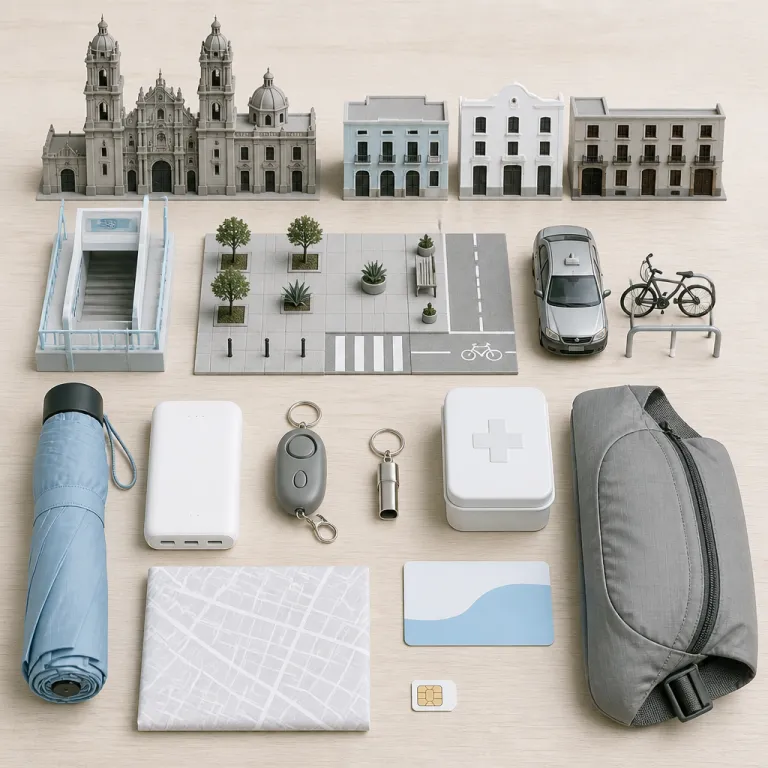
Is Mexico City safe for tourists staying in central areas
Mexico City is a vast metropolis where safety varies by neighborhood, time of day, and how you move around. For most travellers who choose well located hotels in established areas, the answer to the question “is Mexico City safe for tourists” is broadly yes, provided you follow standard big city habits and stay alert. Local authorities summarise it clearly in their own guidance; “Is Mexico City safe for tourists? Yes, with standard urban precautions,” while also reminding visitors that crime can occur anywhere in a city of this size.
For city travel focused on culture, dining, and museums, the safest experience usually comes from staying in central neighborhoods with strong security and reliable services. Roma, Condesa, Polanco, Coyoacán, and parts of the Centro Histórico concentrate popular tourist attractions, better lighting, and more visible police patrols, which helps reduce risk for both first time travelers and frequent visitors. When you travel Mexico for leisure, you should treat it like any other major capital and avoid isolated streets late at night, keep valuables discreet, and use trusted transportation options such as registered taxis from sitios or reputable ride hailing apps.
City safety indicators in Mexico have improved in recent years, with federal data from the Secretaría de Seguridad y Protección Ciudadana and INEGI showing a national homicide rate decrease of roughly 8–10 percent between 2019 and 2023, yet petty crime still occurs around crowded transport hubs and some downtown blocks. For example, the consolidated figures published in the Informe de Seguridad series and INEGI’s annual homicide statistics for 2019–2023 both reflect this downward trend, even as regional differences remain. To keep your stay as safe as possible, choose a hotel on a well lit street, close to restaurants and cafés that remain active into the evening, rather than in deserted back alleys. Ask the front desk for a simple city map marked with safe walking routes, areas to avoid after dark, and the nearest police module or emergency point, and confirm this information against recent advice from your embassy or official travel advisories.
Choosing the right neighborhood and hotel for a safe stay
Where you stay in Mexico City shapes how safe your trip feels. Travelers who base themselves in Roma, Condesa, or Polanco usually experience calmer streets, better maintained sidewalks, and more consistent security presence than those in fringe areas with fewer services. These neighborhoods also make it easier to reach museums, galleries, and restaurants on foot, which reduces your dependence on public transportation late at night and keeps most outings within well monitored corridors.
For many visitors asking “is Mexico City safe for tourists”, the answer becomes more reassuring once they see how Roma and Condesa function in daily life. Streets in Condesa Roma are tree lined, often well lit, and filled with cafés, design shops, and Mexican food spots that attract both locals and international travelers. Polanco offers a different style of city travel, with luxury hotels, high end shopping, and embassies that contribute to a strong sense of city safety and visible private security, especially around Avenida Presidente Masaryk and the blocks facing Parque Lincoln.
Staying near the Centro Histórico can be very convenient for culture lovers, but you should choose your exact block carefully. The historic core is a popular tourist magnet by day, yet some streets empty out at night, so ask your hotel about which directions are safest for an evening walk and which to avoid, particularly around very quiet stretches behind the Zócalo or near closed office buildings. One hotel manager near Alameda Central puts it simply: “Walk where the lights, people, and open doors are.” For a culture focused plan from a central hotel, you can review this detailed Mexico City itinerary from a central hotel base and then match your preferred activities with a neighborhood that balances access and safety.
Moving around safely by day and night
Once you have chosen a safe Mexico City neighborhood, the next question is how to move around the city safely. Public transportation covers most areas, but not every option offers the same level of travel safety for a tourist carrying a camera or small backpack. Metro and Metrobus are efficient during the day, yet they can be crowded, so many travellers prefer app based ride sharing after dark to reduce risk of pickpocketing or confusion, especially on busy lines such as Metro Line 2 and Line 3 or at transfer stations like Pino Suárez and Hidalgo.
For safe travel between museums, restaurants, and your hotel, ride sharing services such as Uber, Didi, or Cabify are widely used by both locals and travelers. These services allow you to track your route, share your trip with a friend, and avoid hailing unmarked taxis on the street, which local authorities consistently advise against for better city safety. When you do use public transportation, keep your phone out of sight near doors, stand away from very crowded entrances, avoid the last car of the train late at night, and be extra cautious around major hubs like Indios Verdes, Pantitlán, and Observatorio where crowds are densest.
Walking remains one of the best ways to explore Mexico, especially in Roma, Condesa, Coyoacán, and the safer parts of the Centro Histórico. Choose streets that are well lit, with open shops and restaurants, and cross plazas diagonally rather than hugging dark corners or empty arcades, particularly around large squares where demonstrations or street vendors can create confusion. A common real world pattern is that visitors feel most relaxed on main avenues such as Álvaro Obregón in Roma or Amsterdam in Condesa, where cafés, bookstores, and bars keep the sidewalks active well into the evening. For more ideas on safe Mexico City travel from a well located hotel base, consult this curated guide to things to do in Mexico City from a central hotel and then plan your routes with both enjoyment and safety in mind.
Food, water, and health precautions for city travelers
Safety in Mexico City is not only about crime; it also includes how you handle food, water, and health. Many travelers worry about whether they can drink the tap water in Mexico, and the safest answer is to stick to filtered or bottled water, which most hotels provide in rooms or at reception. Use this water for drinking and for brushing your teeth, and refill a reusable bottle before heading out to explore Mexico on foot, especially at higher altitude where dehydration can sneak up quickly.
Mexico City’s food scene is one of the great joys of city travel, from street tacos to refined tasting menus. To keep your experience both delicious and safe, choose busy stalls where the food turnover is high, the grill is visibly hot, and the salsa containers are covered, which all help reduce risk of stomach issues. When you sit down at a restaurant, check that dishes are served hot, avoid raw seafood far from the coast, and ask your server if the ice is made from purified water, which is standard in most established places and often mentioned on the menu or by the waiter.
Travel insurance with good medical coverage is an essential part of overall travel protection, even in relatively safe Mexico City neighborhoods. A solid policy can cover emergency clinic visits, prescription medications, and unexpected hotel extensions if you fall ill, which adds a layer of security beyond simple city safety tips. Keep a small health kit in your day bag with hand sanitizer, basic medication, and a printed copy of your travel insurance details, so you can act quickly in any minor emergency and show documentation if a private clinic requests proof of coverage.
Crime, scams, and how to reduce risk in different areas
When people ask “is Mexico City safe for tourists”, they often mean “what kind of crime should I realistically expect”. In the main tourist areas, the most common issues involve pickpocketing, bag snatching, and occasional phone theft, especially in crowded markets, on busy public transportation, or around certain Centro Histórico streets. Violent incidents affecting tourists are far less frequent, particularly for those who stay in safe neighborhoods and follow local advice about where to avoid at night, but you should still stay aware of your surroundings and avoid confrontations.
City safety strategies in Mexico focus on concentrating police presence and cameras in zones with heavy tourist and commuter traffic. You will notice more visible security around landmarks, major plazas, and transport hubs, which helps keep these spaces relatively city safe for both residents and visitors. To reduce risk, carry only the cash you need for the day, leave passports in the hotel safe, use a crossbody bag that you can keep in front of you in tight crowds, and watch for common scams such as ATM skimming at isolated cash machines, distraction techniques in busy plazas, or unofficial “airport taxis” that are not linked to authorised stands.
Outside the central districts, some rural areas and peripheral neighborhoods experience higher levels of crime and weaker services, which is why most travelers have no reason to venture there. If a tour proposes visiting remote zones on the city’s edge, ask detailed questions about security, transportation, and emergency plans, and consider whether the experience justifies leaving the usual tourist corridors. For most visitors, focusing on Roma, Condesa, Polanco, Coyoacán, and the better monitored parts of the Centro Histórico offers more than enough culture while keeping your overall travel Mexico risk profile low, a point echoed in many recent traveler reports and official advisories.
Travel insurance, emergency planning, and practical hotel level safety
Even in a relatively safe Mexico City itinerary, responsible travelers treat travel insurance and emergency planning as non negotiable. A comprehensive travel insurance policy should include medical coverage, theft protection, and trip interruption benefits, which together form a strong layer of travel protection around your stay. When comparing options, look for clear limits on emergency medical care, coverage for stolen electronics, and 24 hour assistance in English or your preferred language, and verify that Mexico is explicitly listed as a covered destination.
Before you travel Mexico, store key emergency numbers in your phone and on a paper card in your wallet. The general emergency number is 911, and there is a Tourist Police service in Mexico City that can assist with incidents in popular tourist zones and help coordinate with local authorities; check the official CDMX government website or your embassy’s travel advice page for the most current contact details. Share your hotel address and room number with a trusted contact back home, and agree on simple check in messages so that someone always knows your approximate location in the city.
Inside the hotel, basic habits contribute significantly to city safety and personal security. Use the room safe for passports, spare cards, and most of your cash, and keep a photocopy of your passport in a separate bag in case of loss. When you return at night, ask reception which route is best, choose entrances that are well lit and staffed, and if you feel uncomfortable on the street, request that the front desk call a trusted ride sharing service rather than walking alone, a practice many local residents also follow after late dinners or events.
Local tours, cultural activities, and staying safe while exploring
Guided experiences can be an excellent way to keep your Mexico City travel both enriching and safe. Reputable local guides know which areas are best visited in the morning, which plazas feel city safe after dark, and which streets to avoid altogether, especially around the edges of the Centro Histórico. Joining small group walks in Roma, Condesa, or Coyoacán allows solo travelers to enjoy architecture, murals, and markets with an extra layer of security and local insight; as one long term resident guide often tells guests, “the city rewards curiosity, as long as you stay on the well lit paths.”
Cultural activities such as food tours, cantina crawls, and museum visits are generally low risk when organised by established operators with clear safety protocols. Ask whether the tour includes private transportation or relies on public transportation, how late it runs, and what the plan is for returning you to your hotel, because these details directly affect your personal travel safety. When you explore Mexico through guided excursions, you also benefit from the guide’s knowledge of where to find clean water, trustworthy street food, and reliable services if a minor emergency arises, such as a nearby clinic or pharmacy that regularly assists tourists.
Independent travelers can still enjoy safe travel while designing their own days around Mexico City’s neighborhoods. Start with daytime visits to markets and more chaotic zones, then reserve evenings for well lit restaurant streets in Condesa Roma, Polanco, or the main avenues of the Centro Histórico, where security presence is stronger and businesses stay open later. By combining thoughtful hotel selection, smart movement around the city, and either vetted tours or carefully planned self guided walks, you align your entire stay with the practical answer to “is Mexico City safe for tourists”; yes, when you respect the city’s scale, prepare for contingencies, and use common sense at every step.
Key safety figures and practical statistics for Mexico City travel
- The national homicide rate in Mexico decreased by approximately 8–10 percent between 2019 and 2023 according to consolidated figures from INEGI and the Secretaría de Seguridad y Protección Ciudadana, which supports the trend of improving overall security conditions for both residents and visitors.
- Roma, Condesa, Polanco, and Coyoacán consistently appear in tourism board data and hotel booking reports as the most booked neighborhoods for international travelers, reflecting their reputation as relatively safe areas with strong hotel and restaurant infrastructure.
- App based ride sharing now accounts for a significant share of urban trips among tourists in Mexico City, which has helped reduce reliance on unmarked street taxis and contributed to better perceived city safety at night, especially for first time visitors unfamiliar with local taxi companies.
- Emergency services in Mexico City are unified under the 911 number, which connects callers to police, medical, and fire response, simplifying access for foreign tourists who may not speak Spanish fluently and aligning with international norms used in many other countries.
FAQ – is Mexico City safe for tourists
Is Mexico City safe for tourists staying in central hotels
For visitors who stay in established central neighborhoods such as Roma, Condesa, Polanco, Coyoacán, and carefully chosen parts of the Centro Histórico, Mexico City is generally safe when you follow standard big city precautions. Most incidents affecting tourists involve petty theft rather than violent crime, especially in crowded transport hubs or markets. Choosing a hotel on a well lit street, using trusted transportation, and avoiding isolated areas at night significantly improves your overall safety and matches the advice found in many official travel advisories.
Which areas should tourists avoid in Mexico City
Most tourists have no reason to visit peripheral districts or rural areas on the city’s edge, where crime rates and the lack of services can make visitors more vulnerable. Even within the Centro Histórico, some side streets become very quiet at night, so hotel staff can advise you on specific blocks to avoid after dark, particularly around shuttered commercial zones. Sticking to Roma, Condesa, Polanco, Coyoacán, and the main historic avenues keeps most travelers within safer, better monitored zones that are regularly patrolled and covered by cameras.
How safe is public transportation for tourists
Metro and Metrobus are widely used by locals and can be safe for tourists during the day, provided you watch your belongings and avoid very crowded doors where pickpockets operate. At night, many visitors prefer ride sharing services for extra travel protection and clearer route tracking, especially when returning from bars or late dinners. Women traveling alone often choose women only Metro cars during rush hour and avoid empty train cars late in the evening, following the same habits that many local commuters use.
Do I need travel insurance for Mexico City
Travel insurance is strongly recommended for any trip to Mexico City, even if you plan to stay in safe neighborhoods and only visit popular tourist sites. A good policy covers emergency medical care, theft of personal items, and trip interruptions, which can save you substantial costs and stress. Keep your travel insurance details accessible on your phone and in printed form, so you can act quickly if you need assistance and provide policy numbers to emergency operators or clinic staff.
What are the most important safety tips for first time visitors
Book a hotel in a reputable neighborhood, use app based ride sharing at night, and avoid displaying expensive jewelry or electronics in crowded places. Drink bottled or filtered water, choose busy food stalls, and keep only the cash you need for the day in your wallet. Save emergency numbers, share your itinerary with someone you trust, and ask hotel staff for up to date advice on local conditions each day, including any demonstrations, road closures, or areas they recommend avoiding.