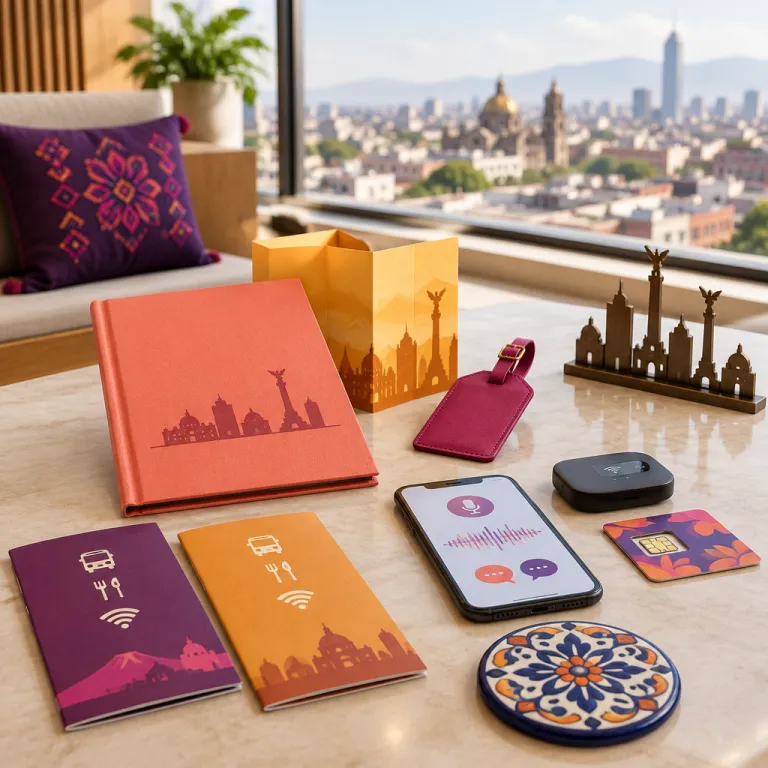
Managing the Mexico City language barrier in English from the moment you land
Arriving in Mexico City for the first time can feel exhilarating and slightly overwhelming. The airport is busy, announcements are mostly in Spanish, and you immediately sense how the language difference between English and Spanish might shape your stay. With a few practical strategies, however, you can move from the arrivals hall at Benito Juárez International Airport (MEX) to your hotel calmly and confidently.
At Mexico City International Airport, immigration officers are accustomed to international travellers and usually manage at least basic English, especially at the main arrival terminals. Security staff and customs agents often understand simple questions, although you will still hear far more Spanish around you than anything else. Keep your hotel address printed in both English and Spanish, because showing it to people who do not speak English is often faster than trying to explain your destination aloud.
Taxi and ride share drivers in the city usually speak Spanish first and English second, if at all. Some drivers in tourist areas will understand common words like “hotel,” “centro,” or “Polanco,” but many prefer you to show the map on your phone. Before you land, download Spanish for offline use in Google Translate, then save key phrases such as “¿Puede llevarme a este hotel?” (“Can you take me to this hotel?”). Having these ready will help you communicate politely and reduce any language barrier during that first ride.
When visiting Mexico for the first time, many people worry they must speak Spanish fluently before they land. In reality, learning just a few basic phrases in Spanish will make your arrival smoother and show respect to local people. Simple efforts such as “buenos días” (good morning), “por favor” (please), and “gracias” (thank you) are common and appreciated, even in English-speaking hotel environments where staff are used to international guests.
As you travel from the airport into different areas of Mexico City, you will notice how the level of English spoken changes. In central tourist districts, you will find more English speakers at hotels, restaurants, and major attractions. In more residential places in Mexico, you may rely more on speaking Spanish, gestures, and translation apps, but you will still be welcomed warmly and helped as best people can.
Choosing a Mexico City hotel when you do not speak Spanish
Hotel selection in Mexico City matters greatly when you are concerned about communication in English. Properties in upscale districts such as Polanco, Reforma, and parts of Roma Norte usually have English-speaking front desk teams on every shift. In contrast, smaller independent hotels in outer areas of Mexico City may have only one or two English speakers on staff, especially overnight.
When comparing an apartment rental with a traditional hotel, the language question becomes even more important. Guides that explain how to choose between an Airbnb and a hotel for a first stay in Mexico City can help you weigh whether you prefer a staffed reception with English spoken or a more independent arrangement. For many people visiting Mexico for the first time, a hotel with a 24-hour reception in English and Spanish offers extra reassurance and support.
Before you travel, read recent guest reviews carefully and search for comments about staff who speak English. Phrases such as “everyone spoke English,” “limited English at reception,” or “staff helped us learn Spanish phrases” give you a realistic picture of the language environment. If you do not speak Spanish at all, email the hotel directly and ask whether English-language assistance is available during late-night check-in and early-morning departures.
Larger international chains in the city usually train their teams to handle English-speaking guests smoothly. In brands such as Marriott, Hilton, Hyatt, or InterContinental along Paseo de la Reforma, you will often find English speakers at concierge desks, in restaurants, and in guest services, which reduces misunderstandings significantly. Independent hotels can still be excellent for English speakers, but you should confirm whether at least one person per shift can speak English confidently.
Consider your own learning style and comfort level with speaking Spanish when choosing where to stay. If you enjoy learning Spanish and want to practise basic phrases, a smaller property in less touristy areas may feel rewarding and authentic. If you prefer to handle arrival, check-in, and first impressions entirely in English-language communication, focus on central tourist areas where English spoken service is standard and clearly mentioned in hotel descriptions.
Check in, first impressions, and how much English is really spoken
Walking into your Mexico City hotel lobby is the moment when the language barrier becomes very real. The way staff greet you, the languages spoken at reception, and how easily you can ask questions will shape your first impressions. In many central hotels, you will hear both Spanish and English spoken naturally at the front desk as staff move between local guests and international visitors.
Reception teams in Mexico speaking to international guests usually switch between speaking Spanish among themselves and English with visitors. If you speak English only, do not hesitate to say “English, please” with a smile, because people will adjust quickly. When you speak Spanish even at a basic level, staff often respond warmly and may help you learn Spanish phrases for the rest of your stay, turning check-in into a friendly mini-lesson.
During check-in, you will handle passports, payment, and key information about the city. Ask for a printed map in both English and Spanish, and request that staff highlight tourist areas, safe walking routes, and nearby restaurants where English speakers are common. If you are visiting Mexico on a tight budget, you can also ask about how cheap flights to Mexico City can upgrade your hotel stay through loyalty points or package deals, which staff at international chains understand well from frequent business travellers.
Concierges and guest relations teams in Mexico City hotels are usually comfortable speaking English, especially in properties that welcome many tourist groups. They can explain how to handle taxis, how to speak Spanish for addresses, and which places in Mexico have more English spoken service. If you are nervous about the language barrier, ask them to write your hotel address and key phrases in Spanish on a card you can show to drivers or metro staff.
In some hotels, housekeeping and maintenance teams may not speak English, but they are used to international guests. Simple language, gestures, and translation apps bridge most gaps, and people will usually try hard to understand what you need. Over a few days, you will notice your own learning Spanish progress as you repeat the same basic phrases, such as “más toallas, por favor” (“more towels, please”), and gain confidence.
Navigating the city from your hotel when you speak only English
Once you step outside your hotel, the communication challenge shifts from reception desks to streets, cafés, and metro stations. The city is vast, and different areas of Mexico City offer very different language experiences for tourists. In districts like Polanco, Condesa, and Roma, you will find many English speakers in shops and restaurants, while more local neighbourhoods rely almost entirely on Spanish for daily life.
Planning how to get around Mexico City from your hotel is essential when you do not speak Spanish well. A detailed practical transport guide can help you understand metro lines, buses, and safe taxi options, especially if you rely on English-language instructions. When you travel with Google Translate downloaded offline, you can show drivers and ticket sellers the exact Spanish phrases you need, such as “¿Dónde está la estación de metro más cercana?” (“Where is the nearest metro station?”).
In tourist areas around the historic centre, English spoken service is more common in museums, major attractions, and some restaurants. Staff may not speak English perfectly, but they usually understand basic questions about tickets, opening hours, and directions. If you speak Spanish only at a basic level, combine short phrases with polite gestures, and people will usually meet you halfway and answer slowly.
When visiting Mexico beyond the capital, such as Playa del Carmen or Puerto Vallarta, you will notice that English-speaking staff are even more common in resort zones. Many people working in these places in Mexico have daily contact with international guests and are comfortable speaking English all day. However, outside the main tourist areas of Playa del Carmen, Puerto Vallarta, or smaller towns like Puerto Morelos, you will again rely more on speaking Spanish and non-verbal communication.
Mexico City itself sits between these two extremes, with some neighbourhoods feeling like English-friendly Mexico and others feeling entirely Spanish speaking. As you travel, you will quickly learn which streets, cafés, and restaurants near your hotel have English speakers on staff. Over time, the language barrier feels less like an obstacle and more like a gentle nudge toward learning Spanish in real situations that you will remember long after your trip.
Restaurants, tourist areas, and how to handle menus in Spanish
Dining out is often where the communication gap between English and Spanish feels most visible. Many restaurants in central Mexico City offer bilingual menus, but staff may still prefer to speak Spanish when taking orders. If you speak English only, pointing to items on the menu and using a few common phrases will usually be enough to order confidently.
In popular tourist areas such as the Zócalo, Reforma, and Roma Norte, you will find restaurants where English spoken service is standard. Waiters in these parts of the city are used to visiting Mexico tourists who do not speak Spanish at all. They may even help you learn Spanish words for dishes, ingredients, and cooking styles as you eat, turning lunch into a relaxed language lesson.
Outside the most visited areas of Mexico City, smaller neighbourhood restaurants may not have English-language menus. Here, Google Translate becomes your best ally: open the app, tap “Camera,” point it at the printed menu, and watch instant translations into English appear on your screen. You can also prepare a short list of basic phrases such as “sin picante” (“not spicy”), “soy vegetariano” (“I am vegetarian”), or “¿Qué me recomienda?” (“What do you recommend?”), which reduce misunderstandings and show respect for the local language.
When you travel to other places in Mexico like Playa del Carmen or Puerto Vallarta, resort restaurants often have staff who speak English fluently. In these coastal cities, menus are frequently printed in both English and Spanish, and the language barrier is minimal in beachfront zones. However, if you step away from the main tourist strips, you will again find more Spanish spoken and fewer English speakers on staff, similar to local neighbourhoods in the capital.
Back in Mexico City, hotel concierges can recommend restaurants where English-speaking service is reliable if that matters to you. They know which places in Mexico City balance authentic Mexican cuisine with menus that are easy for English speakers to understand. Over a few days, you will likely move from relying on English-style menus to feeling comfortable ordering in simple spoken Spanish, even when the printed card is only in Spanish.
Practical language strategies for hotel guests in Mexico City
Managing the Mexico City language barrier in English is easier when you prepare a few tools before you travel. Start by learning a small set of basic phrases in Spanish that cover greetings, directions, and hotel needs. Even if you speak English as your only fluent language, these efforts will transform how people respond to you and how confident you feel.
Write down or save on your phone a list of common phrases such as “tengo una reservación” (“I have a reservation”), “¿a qué hora es el check out?” (“what time is check-out?”), and “¿puede llamar un taxi?” (“can you call a taxi?”). These expressions are useful in almost every hotel in the city, from luxury properties to smaller guesthouses. When you are visiting Mexico for business or leisure, repeating these phrases daily will accelerate your learning Spanish progress and make interactions smoother.
Download Google Translate and set Spanish and English as your primary language pair before you arrive. In the app, tap your profile icon, choose “Offline translation,” and download Spanish so it works without data. The tool allows you to type, speak, or point your camera at text, which is invaluable when English spoken explanations are not available. Many people in Mexico speaking limited English are happy to wait while you translate, especially if you smile and show patience.
Consider carrying a small card with your hotel name, address, and room number written in both English and Spanish. This helps when you speak Spanish only at a basic level and need to explain your destination to drivers or ask for help in busy tourist areas. It also reassures English speakers at your hotel that local people can assist you if you get lost, because the information is clear and easy to show.
Over the course of your stay in Mexico City, you will notice that the language barrier shrinks as your confidence grows. You will start to speak Spanish for simple tasks, rely less on English-language crutches, and feel more at ease in places in Mexico where English speakers are rare. By the time you leave, you may even feel inspired to learn Spanish more seriously for your next trip or for future visits to other Spanish-speaking countries.
How Mexico City compares with other Mexican destinations for English speakers
Understanding how the Mexico City language barrier in English compares with other destinations helps you set realistic expectations. Mexico City is a working capital where Spanish is the dominant language, yet English spoken service is common in hotels and major attractions. Resort towns like Playa del Carmen and Puerto Vallarta, by contrast, feel more like English-friendly Mexico in their tourist cores, especially along the beach.
In Playa del Carmen, many people working in hotels, restaurants, and tour agencies speak English all day. The same is true in Puerto Vallarta, where long-established tourism has created large communities of English speakers in central tourist areas. If you are visiting Mexico primarily for beaches and want minimal language barrier, these cities may feel easier than the capital, particularly for first-time travellers.
Mexico City offers a richer sense of everyday Mexico speaking life, with more situations where you will need to speak Spanish or rely on translation tools. This can feel challenging at first, but it also gives you more chances to learn Spanish in real interactions with local people. Over a week, you will likely move from basic phrases to more natural spoken Spanish, especially if you practise daily and repeat the same requests in shops, cafés, and your hotel.
When you compare hotels across these destinations, pay attention to how they describe their language services. Properties in Mexico City that cater to international business travellers often highlight English-speaking staff, multilingual concierges, and bilingual printed materials. In Playa del Carmen or Puerto Vallarta, hotels may assume that English-language service is expected and mention it less explicitly, because so many guests arrive from the United States and Canada.
Wherever you choose to stay, the combination of a well-located hotel, a few memorised Spanish phrases, and smart use of Google Translate will carry you through. The language barrier in Mexico becomes less about what you do not know and more about how willing you are to communicate. With that mindset, both Mexico City and other places in Mexico open up in ways that feel welcoming, manageable, and deeply rewarding for English-speaking travellers.
Key statistics about English and Spanish use in Mexico City tourism
- According to Mexico’s Secretaría de Turismo, Mexico received approximately 45 million international tourists in 2019, the last full pre-pandemic year, and a significant share of these visitors relied primarily on English when visiting Mexico City and other destinations.
- Data summarised in the British Council’s English in Latin America reports indicate that Mexico has one of the largest populations of English learners in the region, with millions of people studying the English language at school or in private institutes, which gradually increases the number of English speakers in tourist areas.
- Surveys by the Mexican Hotel and Motel Association suggest that large hotels in major cities report a high proportion of front desk staff with at least intermediate English, while smaller properties in non-tourist areas often operate mainly in Spanish and depend on a few bilingual employees.
- Figures reported by the UN World Tourism Organization for 2019 show that the United States remains the largest source market for Mexico, meaning that demand for English spoken services in hotels, restaurants, and tours continues to grow in Mexico City, Playa del Carmen, Puerto Vallarta, and other key places in Mexico.
FAQ about the Mexico City language barrier for hotel guests
Is English widely spoken in Mexico City hotels?
In most mid-range and upscale hotels in central Mexico City, you will find staff who speak English at reception, concierge, and guest services. Housekeeping and maintenance teams may rely more on Spanish, but they are used to international guests and usually manage with simple phrases and gestures. Smaller hotels in outer areas of Mexico City may have fewer English speakers, so it is wise to confirm language options before you book.
Do I need to speak Spanish to check in at a Mexico City hotel?
You do not need to speak Spanish fluently to check in at most Mexico City hotels, especially in tourist areas like Polanco, Reforma, and Roma. Basic English is usually enough for passports, payment, and room information, and many hotels provide bilingual forms or digital check-in. Learning a few basic Spanish phrases for greetings and thanks will still improve your experience and first impressions.
How can I handle taxis and transport if I only speak English?
If you only speak English, use apps that allow you to enter your destination in advance, and always carry your hotel address written in Spanish. Google Translate can help you show drivers the exact place you need, which reduces confusion and the language barrier. Hotel staff can also arrange trusted taxis and explain in Spanish where you are going before you leave.
Are restaurants in Mexico City used to English speaking tourists?
Restaurants in central tourist areas of Mexico City, such as the historic centre, Roma, and Condesa, are very used to English-speaking tourists. Many offer bilingual menus and have at least one person on staff who can speak English, although Spanish remains the main language spoken. In more local neighbourhoods, menus may be only in Spanish, so translation apps and a few memorised food phrases are helpful.
Should I learn Spanish before visiting Mexico City?
Learning some Spanish before visiting Mexico City is highly recommended, even if you plan to rely on English most of the time. A small set of basic phrases for greetings, directions, and restaurant orders will make interactions smoother and show respect for local people. You do not need to be fluent, but a willingness to speak Spanish at a simple level will significantly reduce the language barrier during your stay.