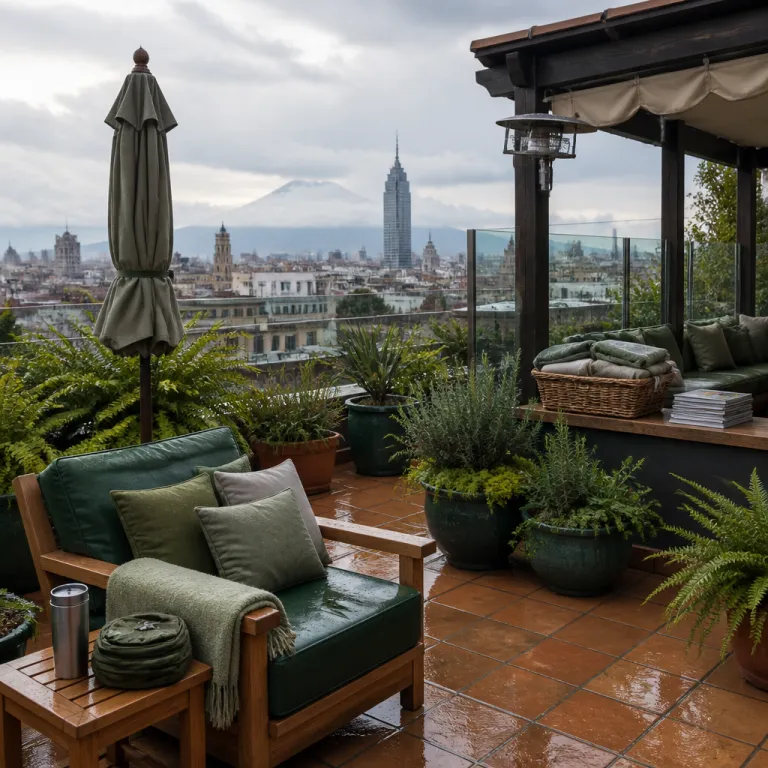
Mexico City weather by month and how it shapes your hotel stay
Mexico City weather by month is remarkably stable, yet it changes enough to shape how you choose a hotel. The national meteorological service (Servicio Meteorológico Nacional, part of CONAGUA) reports that temperatures are generally moderate year-round, so the city climate rarely swings to extremes but shifts subtly with each season in ways that matter for rooftop pools, courtyards, and shaded terraces.1 When you plan where to stay in Mexico City, thinking about the typical monthly temperature, daylight hours, and humidity will help you match your hotel to the experiences you value most.
Across the year, the average high temperature in Mexico City hovers around 24 °C, while the average low sits close to 12 °C, which means that even in the warmest month the air usually feels comfortable enough for walking city streets or enjoying a sunshine day in a hotel garden.2 Data from CONAGUA and INEGI show that the dry season runs roughly from November through to early May, and this dry period offers clearer skies, lower humidity, and more predictable city weather for guests who want to visit Mexico for outdoor dining and rooftop cocktails.3 By contrast, the rainy season from June through September brings heavier afternoon rain, higher humidity, and softer light, which can be the best time for travellers who prefer lush greenery and quieter hotel pools.
For someone looking to book a hotel, the best time to visit Mexico City depends on whether you prioritise sunshine hours, cooler nights, or cultural festivals that fill the days. Late February and March, and the stretch from March into April, are often considered the best months because the temperature reaches pleasant highs without oppressive humidity, and average hours of sunshine support long walking tours between museums and plazas. Understanding how the capital’s climate shifts month by month lets you decide whether you want crisp mornings with clear air quality, or moody rainy-season afternoons when you retreat to a spa or lobby bar while the city cools outside.
Dry season months: november to april for clear skies and city exploring
From November through April, Mexico City weather by month follows a dry season pattern that is ideal for intensive sightseeing and full cultural itineraries. In November the average high temperature reaches around the low twenties Celsius, nights cool down, and rain becomes infrequent, giving you many consecutive days of clear city weather for exploring Centro Histórico or Polanco before returning to your hotel.4 These November days often feel crisp in the morning, warm by midday, and pleasantly cool by evening, so packing layers is essential if you want to enjoy both rooftop breakfasts and late-night street food tours; a practical hotel tip is to request a room with afternoon sun if you feel the cold.
During December and January, the monthly temperature profile shifts slightly cooler, with high temperatures still comfortable but early morning and late night hours dropping close to single digits, which makes a heated pool or in-room fireplace a genuine luxury rather than a decorative extra. Rain remains scarce in these months, and average hours of sunshine are generous, so a sunshine day is almost guaranteed for guests who plan to visit Mexico during the festive season or for New Year celebrations. Air quality can fluctuate in the dry season, especially on still days, and official IMECA air-quality index values sometimes reach “regular” or “mala” ranges, so choosing a hotel with good indoor air filtration and easy access to parks like Chapultepec can make your stay more comfortable.
By late February and into March and April, the dry season warms, the average temperatures climb a little, and the city feels vibrant with outdoor events, terrace dining, and evening walks. This period is often cited as the best time to visit Mexico City because the temperature reaches around the mid twenties during the day, humidity stays relatively low, and rain is still limited to occasional showers. If you are planning food-focused days, this is also a superb time to visit for culinary experiences, and you can use a guide such as the street food recommendations near central hotel areas to align your hotel choice with neighbourhoods that shine in this season; for these months, look for properties with rooftop seating and late-opening bars to make the most of mild evenings.
Rainy season months: june to september for lush views and indoor comforts
From June through September, Mexico City weather by month shifts into the rainy season, which transforms the city’s look and the way you will use your hotel. In this season, the average high temperature remains in the low to mid twenties, but humidity rises and afternoon rain showers become a near-daily pattern, so planning your day around likely downpours is wise.3 Many travellers find this the best time to book hotels with generous indoor spaces, covered courtyards, and spa facilities, because you can enjoy cultural activities even when the city weather turns wet; in June, for instance, a hotel with a good lobby bar or co-working lounge makes waiting out a storm feel like part of the experience.
Rain in these months usually arrives in bursts rather than all-day storms, which means mornings often bring a sunshine day with clear views, while late afternoon hours see clouds build and temperatures reach slightly cooler levels after each shower. Average hours of sunshine remain respectable despite the rainy season, and the city’s parks and tree-lined avenues look especially lush, which can be a delight if your room overlooks Chapultepec or the leafy streets of Condesa. When you plan your time to visit during June or July, consider scheduling outdoor tours and museum walks early, then returning to your hotel for a siesta or spa session when the rain begins; a simple hotel tip is to confirm that umbrellas or light rain ponchos are available at reception.
August and September continue this rainy pattern, though some days can feel more humid, and air quality often improves after each storm as dust and pollution are washed from the air. For culture-focused stays, this is an excellent time to prioritise hotels near major museums, using resources such as this guide to planning your Mexico City hotel stay around the city’s best museums. Mexico City weather by month during the rainy season rewards travellers who enjoy watching storms roll in from a high-floor lounge, then stepping out into freshly washed streets once the city cools and the evening begins; in these months, consider booking a room with large windows rather than a balcony, so you can enjoy the views without worrying about wet furniture.
Transitional months: may and october november for balanced conditions
Two periods stand out in Mexico City weather by month as transitional seasons that blend the advantages of dry and rainy conditions. May sits at the end of the dry season, when the average high temperature reaches its peak around 27 °C, humidity begins to rise, and the first hints of rain appear in late afternoon hours.4 For hotel guests, this monthly temperature profile means pool decks and shaded terraces become prime spaces during the day, while air-conditioned rooms and good ventilation matter more at night; if you feel the heat, ask for a higher-floor room where breezes are usually stronger.
October and November mark the other key transition, when the rainy season retreats and the city weather settles into clearer, cooler patterns that many travellers consider the best time for urban exploration. In October, rain still appears on some days, but average hours of sunshine increase, humidity drops, and air quality often feels fresher, which is ideal if you plan long walking tours between galleries, cafés, and historic plazas. By November the rainy season has largely ended, temperatures remain mild, and the city’s cultural calendar is rich, so booking a hotel with balconies or large windows lets you enjoy both the climate and the street life below; a useful tip is to check whether your hotel offers exterior-facing rooms for better natural light.
These transitional months are particularly attractive for guests who want to visit Mexico for both indoor and outdoor experiences without committing fully to either the driest or wettest parts of the year. Mexico City weather by month in May and October and November offers enough warmth for evening drinks on a terrace, yet enough coolness at night for comfortable sleep without heavy reliance on air conditioning. If you are balancing luggage space with climate needs, consult a focused packing guide such as this overview of what to pack for Mexico City and hotel-savvy clothing tips to align your wardrobe with these nuanced seasons; in shoulder months, a light jacket and compact umbrella usually cover most scenarios.
Planning hotel-based experiences around mexico city weather by month
For travellers choosing a hotel, the real value of understanding Mexico City weather by month lies in how it shapes daily experiences. During the dry season months from November and December to March and April, a typical day starts cool, warms quickly, and then cools again after sunset, so you can comfortably schedule rooftop yoga at dawn, museum visits at midday, and open-air dinners at night. Hotels with terraces, courtyards, and large windows make the most of the average hours of sunshine, while good insulation and blankets ensure that cooler early morning temperatures never feel uncomfortable; at this altitude of about 2,240 m above sea level, nights can feel cooler than the thermometer suggests, so ask for extra bedding if you tend to feel cold.
In the rainy season from June through September, the rhythm of the day changes, and your hotel becomes a strategic base for alternating between outdoor and indoor activities. Morning hours often bring clear skies and a sunshine day, ideal for guided walks through Centro Histórico or food tours in Roma, while late afternoon rain encourages you to retreat to a spa, bar, or library lounge. When the temperature reaches slightly cooler levels after each storm, many guests enjoy stepping out again for evening performances, knowing that the city weather has reset and humidity has eased; a practical idea is to choose accommodation close to a metro station or major avenue so you can shorten wet walks.
Throughout the year, air quality and humidity fluctuate, and hotels that invest in good ventilation, indoor greenery, and filtered systems can significantly enhance comfort for sensitive travellers. Mexico City weather by month rarely produces extreme temperatures, but subtle shifts in season and day length influence how you will use pools, gyms, and rooftop spaces, so reading climate data before booking is as important as checking room photos. Whether you plan to visit Mexico for art, gastronomy, or business, aligning your reservation with the best time for your preferred activities will make every hour of your stay feel intentional and well designed; if you are unsure, contacting the hotel directly to ask how guests typically use spaces in your travel month can provide helpful, current insight.
Local tours, cultural activities, and how climate shapes your time visit
Choosing when to visit Mexico City is not only about comfort in your hotel room; it is also about how Mexico City weather by month supports specific local tours and cultural activities. During the dry season, especially from February and March through March and April, clear mornings and predictable city weather make this the best time for walking tours of Coyoacán, canal rides in Xochimilco, and guided visits to archaeological sites like Teotihuacán. The average temperatures in these months allow you to spend many hours outside without overheating, while lower humidity keeps energy levels high for full-day excursions; for early departures, pick a hotel that offers flexible breakfast hours or grab-and-go options.
In the rainy season, cultural experiences shift slightly indoors, and your time to visit might focus more on museums, galleries, and performance venues that pair beautifully with a well-located hotel. Mexico City weather by month in June and July and August and September often brings afternoon rain, so many guides schedule early starts, ensuring that the most weather-sensitive parts of a tour finish before clouds build. After the temperature reaches a cooler point post-shower, evening concerts, theatre performances, and restaurant tastings become especially appealing, and you return to your hotel through streets that feel freshly washed; if you plan late nights, consider a property with 24-hour reception and easy access to reliable transport.
Some travellers visited the city years ago and remember only hazy air and unpredictable showers, but climate data from CONAGUA now show clearer patterns that help you choose the best month for your interests.1 The Mexico City Weather Service summarises it succinctly in its guidance for visitors: “Late March to late May offers warm weather and less rain.” For guests who value both comfort and culture, using Mexico City weather by month as a planning tool ensures that every day, from the first sunshine day to the last cool evening, aligns with the experiences that brought you to this city in the first place; pairing this information with your hotel’s concierge advice will fine-tune your itinerary even further.
Key climate figures for hotel guests in Mexico City
- Mexico City’s annual average high temperature is about 24 °C, while the annual average low temperature is roughly 11.7 °C, giving the city a mild climate that suits year-round hotel stays according to summaries based on CONAGUA records and INEGI climatological normals.2
- Annual rainfall in Mexico City is approximately 800–900 mm, with most rain concentrated in the rainy season from June through September, which means dry season hotel stays usually face only light showers.3
- Typical daily high temperatures range from about 22 °C in the coolest months to around 27 °C in the warmest month, so extreme heat is rare compared with many other destinations in Mexico; this range reflects the moderating effect of the city’s high altitude.4
- Rainfall increases sharply from May into June, peaks in July and August, then declines by October and November, which helps travellers choose the best time for outdoor-focused itineraries and rooftop-focused hotel stays.3
- Clearer skies and lower humidity dominate from November and December through early April, providing more consistent sunshine hours for rooftop amenities and city views from high-floor rooms; in these months, UV levels can still be high, so hotels that provide sunscreen or shaded loungers add real value.1
| Month | Avg high °C | Avg low °C | Rainfall (mm) | Sunshine (hrs/day) | Hotel tip |
|---|---|---|---|---|---|
| January | 22 | 7 | 10 | 7 | Prioritise heating or extra blankets for cool nights. |
| February | 24 | 8 | 5 | 8 | Look for sunny rooms or terraces for crisp mornings. |
| March | 25 | 9 | 10 | 8 | Choose hotels with rooftop spaces for long, dry evenings. |
| April | 26 | 11 | 30 | 8 | Check for shaded courtyards to escape midday sun. |
| May | 27 | 12 | 60 | 7 | Air conditioning or fans become more important at night. |
| June | 24 | 13 | 160 | 6 | Confirm indoor lounges for rainy late afternoons. |
| July | 23 | 12 | 170 | 6 | Ask if umbrellas are available at reception. |
| August | 23 | 12 | 160 | 6 | High-floor rooms give great views of passing storms. |
| September | 23 | 12 | 120 | 6 | Stay near museums for easy indoor plans on wet days. |
| October | 23 | 10 | 50 | 7 | Balconies are ideal for mild evenings and city views. |
| November | 22 | 8 | 10 | 7 | Choose walkable neighbourhoods for festival season. |
| December | 21 | 7 | 5 | 7 | Check for cosy common areas for cool, clear nights. |
FAQ about mexico city weather by month for hotel stays
What is the best time to visit Mexico City for comfortable weather ?
The period from late February and March through late May is often considered the best time to visit Mexico City, because temperatures are warm but not hot and rain is relatively scarce. During these months, the average high temperature reaches the mid twenties Celsius, humidity stays moderate, and city weather is ideal for both sightseeing and enjoying hotel terraces; this window also aligns with the Mexico City Weather Service guidance that late March to late May brings warm conditions with less rain.1
Does Mexico City experience extreme temperatures during the year ?
Mexico City rarely experiences extreme temperatures thanks to its altitude, and the Mexico City Weather Service notes that temperatures are generally moderate year-round. High temperatures usually range between about 22 °C and 27 °C depending on the month, while nights cool enough for comfortable sleep, especially in the dry season; hotel air conditioning is useful in warmer months but not as critical as in many coastal destinations.2
When is the rainy season in Mexico City, and how does it affect hotel plans ?
The rainy season in Mexico City typically runs from June through September, with showers sometimes extending into early October. Rain usually falls in the late afternoon or evening, so hotel guests can still enjoy clear mornings for tours, then retreat to indoor amenities such as spas, lounges, or restaurants when storms arrive; choosing accommodation with flexible common spaces makes it easier to adapt your plans.3
How does air quality vary with Mexico City weather by month ?
Air quality in Mexico City can be more challenging in the dry season, especially on still days when pollutants linger, while the rainy season often brings short-term improvements after storms wash particles from the air. Travellers sensitive to air quality may prefer transitional months like March and April or October and November and should consider hotels with good ventilation and filtration systems; checking whether your hotel monitors the local IMECA index can also be reassuring.
What should I pack for different months when staying in Mexico City hotels ?
For the dry season from November and December to April, pack layers such as light sweaters for cool mornings and evenings, plus lighter clothing for warm afternoons. During the rainy season, include a compact umbrella, quick-drying outerwear, and comfortable shoes that handle wet pavements, ensuring you can move easily between your hotel and city attractions in any weather; year-round, sun protection and a light scarf or shawl are useful additions because of the city’s altitude and variable breezes.
References
- CONAGUA – Servicio Meteorológico Nacional, climatological summaries for Ciudad de México (temperature and seasonal guidance).
- INEGI – Climatological normals for Mexico City (average annual and monthly temperatures).
- CONAGUA – Precipitation statistics for the Valley of Mexico (annual rainfall totals and rainy season concentration).
- CONAGUA – Monthly climate tables for Mexico City (typical highs, lows, and rainfall by month).