Mexico City safety tips at night for hotel guests
Mexico City rewards curious travellers who prepare thoughtfully for urban safety after dark. When you understand how the city, its neighbourhoods, and its rhythms work, you can enjoy vibrant evenings and still feel comfortable taking relaxed walks between dinner and your hotel. These night-time safety suggestions focus on practical choices so your stay in Mexico feels both exciting and controlled.
Start by choosing where you stay in Mexico City, because location shapes how safe the capital feels once the sun sets. For most visitors, the best areas at night are Condesa, Roma Norte, the Condesa–Roma corridor, Polanco, and parts of Reforma, which combine well lit streets, active nightlife, and a strong police presence. When you compare hotels, prioritise streets that are busy after day workers leave, since lively evening patterns usually mean more people, more taxis, and better perceived safety.
Many first time visitors ask whether Mexico City feels safe after dark for walking. The honest answer is that some areas are comfortable for short walks, while others are better reached by Uber or authorised taxis, especially when you are traveling Mexico with luggage or valuables. Apply these evening security habits as you plan each night, and you will avoid most issues that affect distracted tourist travellers.
Think about time in Mexico City by the clock, not just by daylight. Aim to finish long cross town journeys before midnight, when metro services usually stop and traffic thins, because emptier streets can reduce perceived security in less central areas. After late dinners or cultural events, use ride hailing rather than walking long distances, even in safe Mexico neighbourhoods that feel calm during the day.
Hydration also matters more than many people expect when they travel Mexico for the first time. Do not drink tap water in Mexico City, and avoid ice from unknown street food stalls, since water quality varies between areas and buildings. Buy sealed bottles of water from supermarkets or Oxxo shops near your hotel, and use that water for brushing teeth, especially if you have a sensitive stomach while traveling Mexico.
When planning your trip Mexico, think of safety as a series of small habits rather than one big rule. Keep valuables in a money belt or interior pocket, and leave passports in the hotel safe unless you truly need them that day. These simple travel tips reduce your profile as a tourist and make the Mexico City experience feel smoother from the first evening.
Choosing safe areas and the right hotel base
Your hotel address is the single most important safety decision in CDMX. For night-time precautions, focus on neighbourhoods where residents, not only visitors, go out for dinner and drinks, because local people help keep streets active and well lit. Condesa, Roma Norte, and the Condesa–Roma border streets offer tree lined avenues, cafés open late, and a mix of families and young professionals that keeps the city travel atmosphere relaxed.
Centro Histórico can feel magical at night around the Zócalo and main avenues, yet some side streets empty quickly once offices close. If you stay in Centro Histórico, choose hotels close to Madero, 5 de Mayo, or Reforma, and use Uber or taxis to avoid walking through quiet blocks after shows or late dinners. In any central area of Mexico City, ask reception which routes feel safest at night, because staff know current patterns better than generic travel tips.
Polanco is often considered one of the best areas for a first stay in Mexico, especially for travellers who value upscale dining and polished city safety measures. Streets around Avenida Presidente Masaryk are usually well lit, with many people strolling between restaurants, galleries, and hotels until late evening. If you prefer quieter nights, look for hotels on side streets that still connect easily to main avenues, so you can reach them quickly by Uber after concerts or museum events.
When comparing where to stay Mexico City, weigh nightlife access against your own comfort level. Some travellers love being in the heart of Roma Norte, steps from bars and street food stands, while others prefer a calmer base in Condesa with leafy parks and slower evenings. This detailed guide to choosing between an Airbnb and a hotel in Mexico City for a first stay can help you balance privacy, security, and service.
Whichever neighbourhoods you shortlist, check how you will move between them at night. Confirm that Uber or other ride hailing services operate reliably in your chosen area, and ask the hotel whether they can call authorised taxis if an app fails. Reliable transport options are central to feeling secure after dark, because they let you avoid walking through unfamiliar areas when you feel tired or distracted.
Culture lovers often plan their stay around key attractions such as the Frida Kahlo Museum in Coyoacán. If you expect to attend evening events there, consider how long the return journey to your hotel will take, and whether you prefer to base yourself closer to the south or remain in central CDMX. For a deeper look at how museum tickets and timed entries influence where to stay Mexico, see analysis on how Frida Kahlo Museum tickets shape hotel choice.
Moving around CDMX safely after dark
Transport choices define many of the most effective precautions in Mexico City at night. In practice, that means planning how you will get from your hotel to restaurants, theatres, and cultural activities, then back again, without improvising on the pavement. When you treat every evening outing as a short, well organised city travel project, you reduce stress and keep more energy for enjoying the experiences Mexico offers.
Ride hailing services such as Uber are widely used in CDMX by both locals and visitors. Always check the licence plate and driver photo before getting in, sit in the back seat, and share your trip with a trusted contact through the app, especially when traveling Mexico alone. If you leave a bar or restaurant and mobile data fails, ask staff to call a registered taxi rather than hailing one on the street, which is a simple way to keep city safety standards high.
Walking can be pleasant in safe Mexico neighbourhoods like Condesa and Roma Norte, where pavements are wider and cafés keep streets active. Stick to main avenues that are well lit, avoid empty side streets, and walk with purpose rather than stopping frequently to check your phone. When you cross between Condesa–Roma and adjacent areas, use busy intersections and underpasses, because these usually have more people and better lighting.
The metro and Metrobús systems are efficient during the day, but they are less comfortable for many tourists late at night. Crowding, occasional petty theft, and reduced frequencies can make them less attractive once you have evening plans or shopping bags. For most visitors, a combination of daytime public transport and night time Uber rides offers the best balance between budget, time, and safety.
Day trips from Mexico City, such as visits to Teotihuacán, Puebla, or the canals of Xochimilco, often end after sunset when traffic back into CDMX slows the return. Choose reputable tour operators who include hotel pick up and drop off, so you are not left searching for taxis at unfamiliar terminals after dark. For inspiration on elegant day trips and realistic travel times that still respect night-time security, consult curated itineraries that outline distances and sample schedules.
Whatever your transport mix, build a small buffer of time into every evening plan. Leaving a restaurant ten minutes earlier than planned can mean catching a ride more easily, avoiding the last metro, and reaching your hotel while streets remain busy. These modest adjustments turn abstract travel tips into concrete habits that keep your trip Mexico focused on food, art, and architecture rather than logistics.
Street food, water, and health safety at night
Mexico City’s street food culture is one of its greatest pleasures, especially in the evening. Tacos al pastor, quesadillas, and late night tamales tempt travellers in many areas, yet food and water hygiene deserve careful attention. Sensible choices here are central to staying well after dark, because stomach issues can disrupt your entire stay Mexico schedule.
Choose street food stalls that are busy with local people, since high turnover usually means fresher ingredients and hotter grills. Observe whether vendors handle money and food separately, and whether cooked items are reheated properly before serving, which are simple visual checks that improve city safety from a health perspective. In Condesa, Roma Norte, and Centro Histórico, you will find excellent stands on main avenues where lighting is strong and cleaning routines appear well organised.
Tap water in Mexico City is not recommended for drinking, even in modern hotels. Many properties provide filtered jugs or complimentary bottles, but when in doubt, buy sealed water from reputable shops and keep a spare bottle in your room for the night. Avoid ice from informal street food stalls, and remember that fresh juices mixed with tap water can be riskier than cooked dishes.
When traveling Mexico, some visitors forget that altitude and dry air increase dehydration risks. Drink small amounts of water regularly throughout the day, and continue in the evening, especially if you enjoy mezcal or cocktails with dinner. This simple habit supports both health and alertness, making it easier to follow other common sense precautions as you move between venues.
Food allergies and intolerances require extra care when you explore street food in different neighbourhoods. Learn key Spanish phrases for your restrictions, and show them written on your phone to vendors in Condesa–Roma or Centro Histórico, where menus may not list every ingredient. If you have severe allergies, consider carrying a translated medical card and informing your hotel, so staff can help you avoid risky dishes during your trip Mexico.
Travel insurance that covers medical care in CDMX is essential, not optional. Policies that include emergency clinics, hospital stays, and prescription medicines provide a safety net if street food or tap water issues escalate beyond mild discomfort. When you combine good hygiene habits with robust travel insurance, you can enjoy Mexico City’s culinary scene with confidence rather than worry.
Local tours, cultural nights, and guided experiences
Evenings in Mexico City can be some of the most memorable hours of your stay. From Lucha Libre wrestling to classical concerts at the Palacio de Bellas Artes, the city offers cultural activities that extend well beyond the day’s museum visits. Choosing guided experiences is one of the smartest ways to feel secure at night, because reputable operators manage routes, timing, and transport for you.
Walking tours in Centro Histórico, Condesa, and Roma Norte often include night time departures that highlight architecture and street life under softer lighting. Join groups with clear meeting points, identifiable guides, and published reviews, which signals a professional approach to city safety and logistics. Many travellers find that exploring in small groups reduces anxiety about unfamiliar areas, especially when they are new to travel Mexico.
Culinary tours focused on street food and mezcal tastings are particularly helpful for first time visitors. Guides know which stalls handle water and ingredients carefully, which bars feel safe Mexico for late returns, and how to navigate between neighbourhoods efficiently. This curated approach lets you sample flavours across Condesa–Roma, Centro Histórico, and other districts without constantly checking maps or worrying about where to avoid.
Some experiences, such as Xochimilco trajinera rides or football matches at the Estadio Azteca, may finish far from your hotel. Book packages that include round trip transport, or confirm with the organiser how they handle returns to central CDMX after dark, which is a key part of night-time planning. If transport is not included, arrange Uber pick ups from well lit, busy points rather than quiet side streets.
When planning cultural evenings, balance ambition with realistic time Mexico expectations. Traffic can be heavy between southern venues and central hotels, so allow extra time for returns and avoid scheduling early morning tours the next day. This measured pacing keeps your trip Mexico enjoyable and reduces the temptation to rush through less safe areas on foot.
Finally, remember that many museums and cultural centres host special night openings or concerts. Check official websites or ask your hotel concierge for updated schedules, and always confirm closing times so you are not left outside searching for transport in unfamiliar areas. With thoughtful planning, these events become highlights of your visit Mexico rather than logistical challenges.
Practical security habits for hotel guests at night
Personal habits often matter more than headlines when assessing whether a city is safe. Mexico City is no exception, and consistent routines will do more for your peace of mind than any single gadget or app. The most effective evening safety practices are simple, repeatable actions that become automatic by your second or third day.
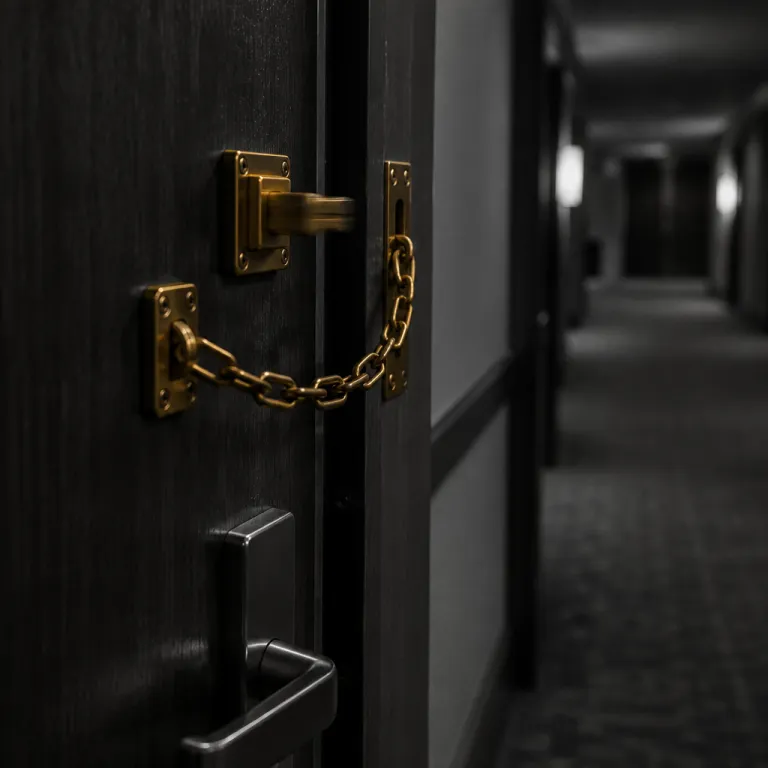
In your hotel, use the room safe for passports, spare cards, and most cash, carrying only what you need for that evening. Photograph key documents and store them securely online before you travel Mexico, so you can access copies if wallets are lost or stolen. When you leave for dinner or shows, double check that doors and windows are locked, and use any additional latches or chains provided.
On the street, keep phones and cameras discreet, especially in crowded tourist zones of Centro Histórico or around major monuments. Avoid displaying jewellery or designer shopping bags when walking between venues at night, since these can attract unwanted attention in any large city Mexico. If you need to check maps, step into a shop entrance or café rather than stopping in the middle of the pavement.
Money handling is another area where small changes improve city safety. Use ATMs located inside banks, shopping centres, or your hotel, and withdraw during the day rather than late at night whenever possible. Split cash and cards between different pockets or bags, so a single loss does not disrupt your entire stay Mexico.
Travel insurance should include theft coverage as well as medical benefits. Read policy details carefully to understand documentation requirements, such as police reports or hotel statements, which you would need if something happens during your trip Mexico. Knowing these procedures in advance reduces stress and helps you respond calmly if an incident occurs.
Finally, trust your instincts about areas and situations that feel uncomfortable. If a street looks poorly lit or unusually empty, change direction or call an Uber from a brighter corner with more people. These intuitive decisions, combined with structured precautions for Mexico City at night, create a layered approach that keeps your focus on enjoying the city rather than worrying about it.
Understanding risk, perception, and how locals experience the city
Perceptions of whether Mexico City is safe often differ sharply between headlines and lived reality. Millions of people move through CDMX every day, commuting, socialising, and enjoying cultural life without incident, yet visitors sometimes focus only on worst case stories. A balanced view is essential when applying night-time guidance to your own plans.
Crime in a large city Mexico tends to concentrate in specific areas and contexts, many of which tourists rarely enter. Neighbourhoods like Condesa, Roma Norte, Polanco, and much of Centro Histórico’s main arteries see heavy police presence, active businesses, and constant foot traffic, which together support stronger city safety outcomes. Problems are more likely late at night on quiet side streets, near some transport hubs, or in distant districts that most visitors never approach.
Locals manage risk through routine habits that you can easily adopt. They choose well lit routes, travel in groups when possible, and rely on trusted taxis or Uber rather than hailing random cars, especially after midnight. Observing how residents behave in different areas offers real time travel tips that complement any guidebook.
Time in Mexico also shapes how the city feels. Early evenings around 19:00 or 20:00 often feel lively and relaxed in Condesa–Roma or Centro Histórico, while the atmosphere can change after bars close and streets empty. Plan your latest walks for the earlier part of the night, and switch to door to door transport later, which aligns with how many locals structure their evenings.
Health and environmental factors influence safety as well. Air quality can fluctuate in CDMX, and altitude affects how quickly alcohol takes effect, so pace yourself with drinks and water during long dinners or rooftop bar visits. Staying physically well makes it easier to stay alert, follow sensible night-time habits, and react sensibly to unexpected situations.
Ultimately, most visitors complete their trip Mexico with positive stories of food, art, and hospitality rather than security incidents. By combining informed neighbourhood choices, careful transport planning, and respectful behaviour, you align your experience with that majority. This approach lets you enjoy your visit Mexico with confidence, appreciating the city’s complexity without ignoring its challenges.
Key statistics on Mexico City safety and tourism
- Mexico City welcomed more than 13 million international visitors in recent pre pandemic years, according to the Secretaría de Turismo (for example, 13.5 million in 2019), illustrating that large numbers of people travel Mexico’s capital safely every year.
- Official data from the Mexican government and agencies such as INEGI and the Secretaría de Seguridad Ciudadana show that reported crime rates vary significantly by borough; for instance, 2022 statistics indicate that central tourist areas such as Miguel Hidalgo and Cuauhtémoc often record lower violent crime rates than some peripheral districts.
- Surveys by major travel insurance providers consistently rank theft and minor scams as the most common incidents reported by clients in CDMX, while serious violent events remain comparatively rare for tourists who follow basic precautions.
- Studies on urban lighting and crime in Latin American cities indicate that well lit streets and active night time economies correlate with lower rates of opportunistic crime, supporting advice to stay on busy avenues in areas like Condesa and Roma Norte.
- Health authorities in Mexico advise against drinking tap water for visitors, and gastrointestinal issues remain one of the most frequent medical claims among travellers in CDMX, reinforcing the importance of bottled water and careful street food choices.
FAQ: Mexico City safety tips at night
Is Mexico City safe at night for tourists staying in central areas ?
Central neighbourhoods such as Condesa, Roma Norte, Polanco, and the main avenues of Centro Histórico are generally considered comfortable for tourists who follow basic precautions. These districts have more police, better lighting, and many people out in the evening, which supports stronger city safety. Problems are more likely on quiet side streets late at night, so stick to busy routes and use Uber or authorised taxis for longer distances.
Which neighbourhoods are best for a first stay focused on evening activities ?
For most first time visitors, Condesa and Roma Norte offer the best mix of restaurants, cafés, and walkable streets, while Polanco suits those who prefer a more upscale environment. Parts of Reforma and Centro Histórico near major avenues also work well if you enjoy museums and historic architecture. When choosing where to stay Mexico City, prioritise streets that remain active and well lit after dark.
Is it safe to use Uber and other ride hailing apps at night in CDMX ?
Ride hailing services such as Uber are widely used by locals and visitors in Mexico City, including at night. Always verify the licence plate and driver details, sit in the back seat, and share your trip through the app for extra reassurance. Avoid getting into unofficial cars, and if the app fails, ask your hotel or restaurant to call a registered taxi instead.
Can I drink tap water in Mexico City hotels ?
Tap water in Mexico City is not recommended for drinking, even in modern hotels, because quality can vary between buildings and pipes. Use sealed bottled water for drinking and brushing teeth, and be cautious with ice or juices from informal stalls. Many travellers who follow this advice enjoy street food without serious stomach issues during their trip Mexico.
Do I really need travel insurance for a short visit to Mexico City ?
Comprehensive travel insurance is strongly recommended, even for short stays in CDMX. Good policies cover medical care, theft, and trip interruptions, which can save significant costs and stress if something goes wrong. Having insurance also allows you to focus on enjoying the city, knowing that you have support for unexpected events.